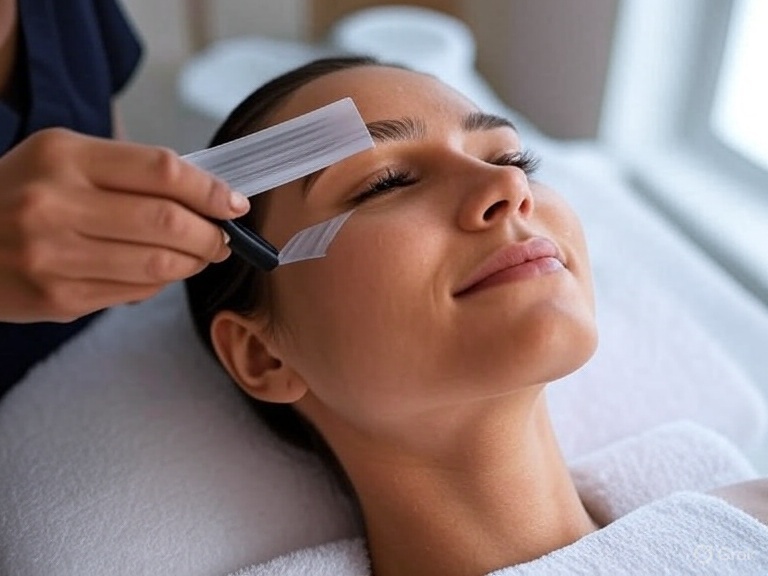

Choosing the right Botox treatment plan is less about following a fixed number of units and more about understanding how facial movement, anatomy, and goals work together. A strong plan accounts for what you want to soften, how your muscles behave, and how much expression you want to preserve.
That is where a medically grounded practice like Barr Aesthetics adds real value: the assessment is designed around the patient, not a template.
For people looking for Botox in Salt Lake City, the real question is not simply “How many units do I need?” It is “What combination of treatment areas, dosing, and timing will create a natural result for my face?” That distinction matters because the best outcomes usually look subtle, balanced, and appropriate to the individual rather than obviously treated.
Why The Right Plan Starts With Facial Movement, Not Just Wrinkles

One of the most common misconceptions about Botox is that the visible line is the whole problem. In practice, the movement underneath the line is usually what determines the plan. Dynamic wrinkles form from repeated muscle contraction, while some lines become more fixed over time and begin to persist even when the face is at rest. The treatment strategy needs to reflect both.
A person with strong frown activity may need a different approach than someone whose main concern is faint forehead creasing. The same is true for crow’s feet, bunny lines, or neck bands. Barr Aesthetics focuses on the underlying motion first, because that is what guides both placement and dosage.
Dynamic Lines, Static Lines, and Why The Distinction Matters

Dynamic lines respond well to targeted muscle relaxation because the muscle is still driving the wrinkle pattern. Static lines can improve too, but they often require a more careful discussion of expectations. Botox can soften the repetitive folding that contributes to those lines, but it does not replace lost volume the way dermal fillers do.
That is why an experienced injector pays attention to where the wrinkle appears, when it appears, and how strong the muscle is beneath it. The right plan is rarely just about treating the line you see in the mirror. It is about reducing the motion that keeps reinforcing it.
The Core Variables That Shape Dosing and Placement
A customized plan is built from several practical variables at once. Age, sex, metabolism, muscle strength, facial size, and treatment history can all affect how much product is needed and where it should go. A small, expressive forehead may not need the same approach as a broader or more heavily recruited one.
Likewise, a strong glabellar complex often requires a different strategy than a lighter pattern of movement.
Barr Aesthetics uses individualized dosing rather than a one-size-fits-all formula. That matters because treatment plans can vary widely, from very small doses in focused areas to larger totals when multiple regions are addressed together. A precise plan protects both aesthetics and function.
A good injector also considers how the face is likely to respond after treatment. Some patients metabolize products more quickly while others naturally hold the effect longer. That is one reason why the right Botox is best viewed as a calibrated decision.
A thoughtful assessment usually weighs:
- the strength of the muscles being treated
- the size of the treatment area
- the patient’s age and skin quality
- prior experience with Botox or similar treatments
- desired level of movement versus smoothing
- whether one or multiple areas are being treated at once
These factors often matter more than a single “standard dose.” Barr Aesthetics builds from the anatomy in front of them, which is the correct starting point for natural-looking work.
One Area Versus Multiple Areas
The difference between one-treatment-area care and a combined approach is important. A patient may only want to address frown lines, or may want a more complete upper-face refresh that includes the forehead and crow’s feet. When multiple areas are treated together, the plan has to account for balance across the face.
If one area is overtreated while another is underdosed, the result can look uneven. Strong planning prevents that. It also helps preserve expressions that people still want to keep, which is a major reason many patients seek out Barr Aesthetics rather than a volume-based injector.
Why Provider Judgment Changes The Outcome More Than The Product
Botox is a purified protein that temporarily blocks nerve impulses to selected muscles. The product itself is important, but the result depends heavily on the person placing it. Even when two patients receive the same number of units, the outcome can differ based on injection depth, placement, symmetry, and attention to facial balance.
That is where clinical experience becomes visible. Barr Aesthetics is led by Dr. Lucy Barr, and that level of oversight supports a more refined approach to facial rejuvenation. In practical terms, it means the treatment plan is not built around a generic “average” face. It is built around the actual muscle patterns and aesthetic goals of the patient in the chair.
The best injectors are usually conservative first and strategic second. They know when a smaller dose can be enough, when an additional touch-up may be appropriate, and when preserving natural movement is more valuable than eliminating every line. That judgment is especially important in the upper face, where tiny differences can affect the way the brows or eyes appear.
How Preparation, Timing, And Maintenance Affect The Plan
A smart Botox plan does not begin and end with the injection itself. Preparation affects bruising risk, healing comfort, and overall experience. Patients are typically advised to avoid alcohol, blood-thinning medications or supplements when appropriate, and retinol before treatment, since these can increase sensitivity or bruising in some cases. The exact instructions should always come from the treating provider.
Timing matters as well. Botox is not immediate. Results usually appear over several days, with visible improvement commonly developing within about 3 to 10 days.
Similar timing considerations apply to other aesthetic treatments, so understanding how long brow lamination lasts can help people plan around the expected duration of their results.
That means the plan should be made with real-world timing in mind, especially before events, travel, or photos. A rushed treatment rarely creates the most elegant result.
Maintenance is another strategic variable. Results are temporary, and lines gradually return as the product wears off.
The same timing consideration applies to other injectable treatments, so understanding how long a lip flip lasts can help patients set realistic expectations for how long their results may remain noticeable.
For many patients, that means repeat treatment every few months, although the exact interval varies. Over time, consistent treatment may weaken targeted muscles enough that the same areas need less product or longer intervals between sessions. That is one reason many patients prefer a long-term relationship with a practice like Barr Aesthetics.
What A High-Quality Treatment Plan Looks Like In Practice
A strong plan should feel specific, measured, and easy to explain. It should describe what is being treated, why those areas matter, and how the dosing supports the intended look. It should also leave room for the patient’s preference for movement. Some people want a very smooth look. Others want visible softness while keeping expression. The right plan respects that difference.
In a real consultation, a good provider will likely:
- examine facial movement at rest and in motion
- identify which muscles are actually driving the concern
- explain whether the goal is softening, prevention, or both
- discuss one-area versus multi-area treatment
- review unit estimates and how those estimates may change over time
- set realistic expectations for onset and duration
- explain follow-up or maintenance planning
That kind of structure is what turns Botox from a quick procedure into a well-managed aesthetic strategy. It also helps patients understand why two people with similar concerns may receive different treatment plans.
For example, one patient may have modest forehead activity but very active frown lines. Another may want broader correction across the forehead, glabella, and crow’s feet.
Even if both start with the same concern—looking more rested—the plan should be different because the movement pattern is different. Barr Aesthetics approaches that distinction carefully, which is exactly what makes a treatment feel tailored rather than mass-produced.
The Long-Term Value Of A Personalized Approach

The best Botox plans do more than temporarily smooth a line. They support a face that still looks like itself, just more rested and less stressed. That is why the right plan should be based on anatomy, muscle activity, and the patient’s desired level of change. When those elements are aligned, the result is more predictable and usually more satisfying.
This is also why choosing a practice with clinical judgment matters. Barr Aesthetics brings a surgeon-led perspective to injectable treatment, which is especially valuable when the goal is subtle refinement rather than obvious alteration. The right plan should not chase maximum dose. It should aim for the correct dose in the correct places for the correct reason.
For patients considering Botox treatment, the real standard is not how much product is used. It is how intelligently it is used. A thoughtful plan protects expression, supports natural balance, and adapts over time as the face and treatment goals evolve. That is the difference between a routine injection and a strategy that earns trust over repeated visits.