
Blade shape is one of the most overlooked choices in everyday carry, yet it influences how a knife feels, cuts, pierces, slices, and handles real tasks more than most people expect. A handle can make a knife comfortable. Steel can make it durable. But blade geometry often decides whether an EDC knife feels effortless in hand or merely serviceable.
That matters because most people do not use a pocket knife for dramatic jobs. They use it for packages, tape, zip ties, food prep, cord, cardboard, rope, and the occasional stubborn clamshell package. In that context, blade shape is not a cosmetic preference. It is the core of how the knife performs.
Knafs has built a reputation around practical, everyday tools, and that makes blade shape especially relevant. If you browse the current EDC knife collection from Knafs, you will see how different blade profiles are used intentionally, not accidentally. That variety is the point: the “best” blade shape depends on what you actually cut.
Blade Shape Is a Performance Decision, Not a Style Choice
People often choose a knife by looks first and then adapt to its shortcomings later. That works if the knife sees light use. It breaks down when a knife becomes part of your daily routine. A blade shape that excels at slicing can feel weak at piercing. A shape that punches through packaging can feel clumsy on long draw cuts. In other words, geometry creates tradeoffs.
The biggest mistake buyers make is assuming sharpness alone determines performance. Sharpness helps, but blade shape determines how that sharpness is applied. Two knives can both be razor sharp and still behave very differently because one has more belly, a different tip placement, or a straighter edge.
For EDC knives, the most important question is simple: what kind of cutting do you do most often? If your work is mostly opening boxes and trimming materials, a slicing-oriented profile tends to be more efficient. If you need more tip control or puncture ability, a different geometry may serve you better.
The Edge Does the Work, But the Profile Sets the Terms
A blade profile affects three practical things immediately:
- How much of the edge contacts the material at once
- How easily the tip starts a cut
- How much control you have during precise work
That means blade shape influences both speed and control. A longer, sweeping edge may glide through cardboard with less resistance. A straighter, flatter edge may feel more deliberate when scoring or scraping. Neither is universally better. The right choice depends on the task.
This is why Knafs and similar EDC brands design multiple blade profiles instead of forcing one “universal” shape to do everything. The goal is not novelty. It is matching geometry to use.
The Main Blade Shapes And What They Do Well
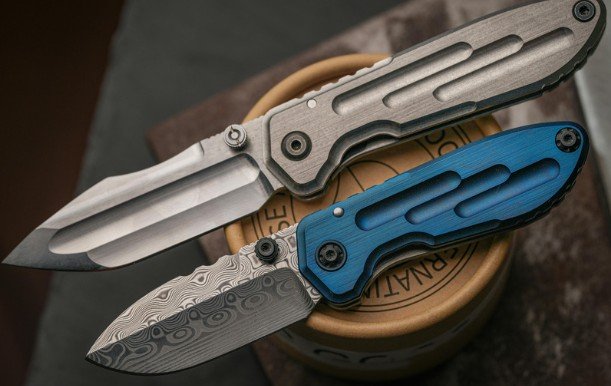
Different blade shapes are not just variations on a theme. They solve different problems. Understanding the functional differences makes it much easier to choose a knife that feels right after months of use, not just on day one.
A clip point blade usually gives you a fine, controllable tip and a balanced mix of slicing and piercing. It often feels familiar because it sits near the middle of the performance spectrum. For a lot of users, that makes it a safe, practical starting point.
A sheepsfoot blade keeps the tip low and the edge more linear. That makes it excellent for controlled cuts and less likely to poke where you do not want it to poke. For package opening, utility work, and slicing along flat surfaces, this shape can be especially useful.
A Wharncliffe takes that idea even further with an almost straight edge and a very pronounced control-focused profile. It is a strong choice when precision matters more than aggressive piercing. Many users like it for detail cuts, stripping tasks, and clean push cuts.
A tanto blade brings a more angular geometry. Its reinforced tip and segmented edge can be appealing when tip strength and puncture-oriented performance matter. A reverse tanto softens that formula slightly by keeping a strong tip while preserving a more usable front cutting section for daily work.
Where Each Shape Feels Most Natural
Here is the simplest way to think about common EDC blade shapes:
- Clip point: balanced, familiar, versatile
- Sheepsfoot: controlled, safe-feeling, great for slicing
- Wharncliffe: precise, straight-edge oriented, excellent for detail work
- Tanto: strong tip, angular, useful for puncture and utility
- Reverse tanto: strong tip with a more practical working edge
None of these shapes is inherently “better.” They just lean toward different strengths. The best operators do not ask which blade is strongest in theory. They ask which blade reduces friction in daily use.
Why Cutting Tasks Should Drive the Blade Choice
The everyday tasks that define EDC knives are often more specialized than people admit. Opening cardboard is not the same as trimming cord. Scraping tape residue is not the same as slicing food. A blade that handles one of these tasks beautifully may be mediocre at another.
For example, cardboard favors a blade with enough belly or edge length to maintain smooth contact through the cut. A straight-edged blade can still do the job, but it may require more angle management. On the other hand, a Wharncliffe or sheepsfoot profile can feel excellent when making clean, controlled cuts on flat surfaces.
Knafs approaches this problem with a clear everyday-carry mindset. The brand’s lineup includes multiple blade shapes because real life includes multiple kinds of cutting. That practical variety is more useful than a one-shape-fits-all approach that sounds good on a product page but disappoints in the pocket.
How Blade Shape Changes Everyday Handling in the Hand
Performance is not only about what the blade cuts. It is also about how the knife behaves before the cut starts and after it finishes. Blade shape changes balance, tip awareness, and how confidently the knife tracks through a motion.
A drop in tip height can make a knife feel calmer and more controlled when opening boxes. A more pronounced tip can make the knife feel more agile for puncturing. A straighter edge can help with predictable push cuts, while a more curved edge can reduce friction during slicing. These details matter because EDC use is repetitive. Small advantages add up quickly.
Knafs understands this well, especially in models where form follows function instead of the other way around. That is one reason the brand’s knives tend to feel grounded rather than gimmicky. The design choices are tied to actual cutting behavior.
Comfort Is About Predictability
Users often describe a knife as “comfortable” when it behaves the way they expect. Blade shape contributes to that feeling. If you know exactly where the tip is and how the edge will engage material, the knife becomes easier to trust. That trust is part of usability.
This is also why modular platforms matter. Certain Knafs models, especially the Lander series, were engineered with user customization and swappable handle options in mind. While not every knife is modular, that design philosophy reflects a broader commitment to practical refinement. It lets users focus on fit, not just appearance.
The Smart Way to Match Blade Shape to Your Actual Use
Choosing among EDC knives becomes much easier when you stop thinking in abstract categories and start thinking in routines. A knife used mostly for office packages has different needs than one used for outdoor chores, workshop cleanup, or general home carry.
If your priority is broad utility, a balanced profile like a clip point can make sense. If you value control and safer-feeling cutting, a sheepsfoot or Wharncliffe may be more appropriate. If you want a stronger tip for deliberate puncture work, a tanto or reverse tanto can be the better match.
That logic becomes even more important when paired with steel selection and lock type. A great blade shape cannot fully compensate for a poor overall design. But a well-chosen shape can make a good knife feel excellent.
Knafs does well here because the collection spans accessible budget models and more premium options with steels like S35VN, Elmax, and MagnaCut. That range lets buyers align blade shape with the rest of the knife instead of compromising on both.
What Strong EDC Buyers Look At Before They Buy
Before choosing a knife, it helps to evaluate the blade the same way a working tool is evaluated in any serious setting. A good decision comes from matching the tool to the task, not from chasing a trend.
Look at these factors together:
- Primary task: slicing, piercing, detail work, or mixed use
- Tip strength: important if you start many cuts with the point
- Edge line: straighter edges favor control; curved edges favor slicing
- Safety feel: lower-tipped blades can feel more controlled
- Maintenance preference: simpler geometry can be easier to sharpen consistently
- Carry style: pocket knife, compact folder, or fixed blade
When those factors align, the knife disappears into the task in the best possible way. That is the real goal of everyday carry. You should not have to think about the knife constantly. It should just do the work cleanly.
For buyers exploring practical options, Knafs offers a strong example of how different blade shapes can serve real uses. There is a double edged sword of diversity in any knife lineup: more choices help buyers find the right tool, but they can also make the decision harder. The most useful comparison is how each blade’s geometry handles the tasks you actually do.
The Real Lesson: Shape Should Follow the Job
The best blade shape is not the most popular one, the sharpest-looking one, or the one with the most dramatic point. It is the one that fits your actual cutting habits with the least friction and the most confidence.
That is why blade shape affects EDC performance so much. It shapes how the knife enters a material, how it moves through a cut, and how naturally it fits your hand during repetitive use. When that geometry is right, the knife feels almost invisible in the best sense: reliable, predictable, and ready.
Knafs builds around that idea well. Its range of EDC knives gives users room to choose a profile that matches their real routines, whether that means controlled slicing, precise detail work, or a more versatile everyday carry setup. In the long run, that is what separates a clever knife from a genuinely effective one.