

When most people think about oral hygiene, their minds immediately drift to teeth. Brushing twice daily, flossing religiously, and perhaps swishing mouthwash for good measure. Yet the dentist Leatherhead recognises that there’s a rather significant oversight in this routine—the tongue. This muscular organ, responsible for taste, speech, and swallowing, plays a surprisingly pivotal role in overall dental health.
Despite its importance, tongue care remains woefully neglected in many people’s daily hygiene routines, and this oversight can have consequences that extend far beyond a simple case of bad breath.
The tongue’s surface is far from smooth. It’s covered in tiny bumps called papillae, which house taste buds and create an ideal environment for bacteria to flourish. Throughout the day, food particles, dead cells, and bacteria accumulate on the tongue’s surface, forming a thin coating that can range from white to yellowish-brown in colour.
This bacterial film doesn’t simply sit there harmlessly—it actively contributes to various oral health issues that many people attribute solely to poor tooth care.
The Hidden Connection Between Tongue Health and Dental Problems
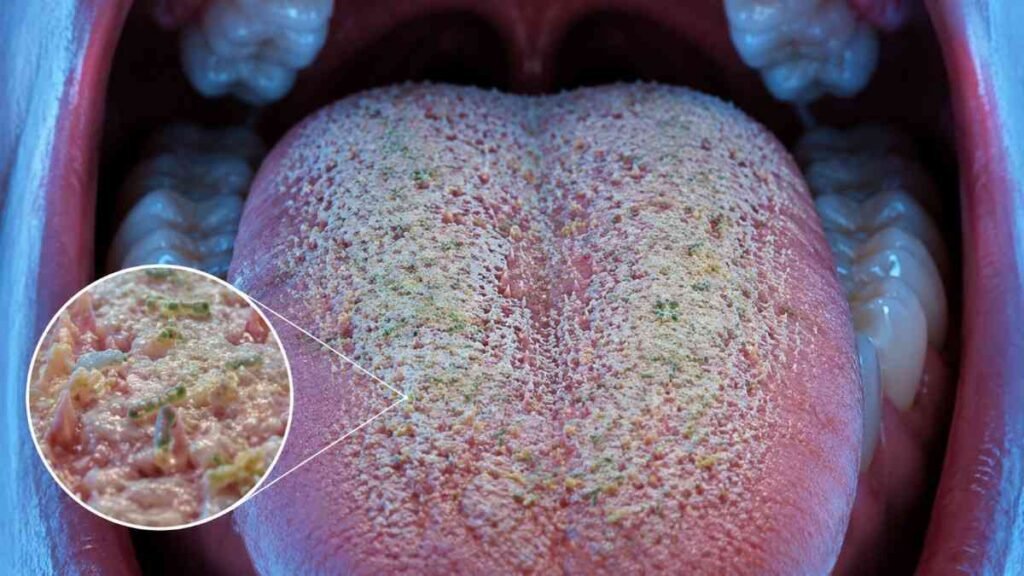
The bacteria residing on an unclean tongue don’t respect boundaries. They migrate freely throughout the mouth, settling on teeth and gums where they contribute to plaque formation, tooth decay, and gum disease. Research has shown that tongue health significantly influences overall oral hygiene, affecting everything from the freshness of one’s breath to the likelihood of developing periodontal disease.
A dentist Leatherhead practitioners often encounter patients who maintain excellent tooth-brushing habits yet struggle with persistent oral health issues, only to discover that tongue hygiene has been completely overlooked.
Common Signs of Poor Tongue Health
Recognising the indicators of an unhealthy tongue is the first step towards addressing the problem. Several telltale signs suggest that one’s tongue requires more attention:
- A persistent white or discoloured coating across the tongue’s surface
- Chronic bad breath that doesn’t improve despite regular tooth brushing
- A burning or tingling sensation on the tongue
- Altered taste perception or a persistent unpleasant taste
- Visible cracks, sores, or unusual patches
Establishing an Effective Tongue Care Routine

Fortunately, incorporating tongue care into one’s daily routine requires minimal effort yet yields substantial benefits. The process of properly cleaning the tongue needn’t be complicated or time-consuming. Using either a dedicated tongue scraper or a toothbrush with a built-in tongue cleaner, one should gently clean the tongue’s surface from back to front, rinsing the cleaning tool between strokes. This simple practice, when performed once or twice daily, dramatically reduces the bacterial load in the mouth.
The technique matters considerably. Applying too much pressure can irritate the delicate tissue, whilst insufficient pressure fails to remove the accumulated debris effectively. The goal is to achieve a balance—firm enough to dislodge bacteria and debris, yet gentle enough to avoid discomfort or damage. Many dental professionals recommend cleaning the tongue before brushing teeth, as this prevents the reintroduction of bacteria onto freshly cleaned teeth.
The Broader Health Implications
The importance of tongue health extends beyond the confines of the mouth. The oral cavity serves as a gateway to the body’s internal systems, and maintaining a healthy oral environment can have far-reaching effects. Studies have demonstrated that oral health influences digestive health, with the bacteria present in the mouth potentially affecting the gut microbiome. This connection underscores the importance of comprehensive oral hygiene that includes proper tongue care.
Furthermore, certain systemic health conditions manifest symptoms on the tongue before appearing elsewhere in the body. A healthcare professional examining the tongue can sometimes detect early signs of nutritional deficiencies, immune system disorders, or other health concerns. Regular tongue cleaning not only maintains oral hygiene but also allows individuals to monitor changes in their tongue’s appearance that might warrant professional attention.
Taking Control of Your Complete Oral Health
The tongue’s role in dental wellbeing can no longer be dismissed as secondary or inconsequential. By recognising the importance of tongue health and incorporating proper cleaning techniques into daily routines. Individuals can significantly improve their overall oral hygiene.
This holistic approach to dental care—one that acknowledges the interconnected nature of all oral structures. It represents a more complete and effective strategy for maintaining long-term dental health. The forgotten tongue deserves its moment in the spotlight. And giving it proper attention pays dividends in fresher breath, healthier teeth, and a more vibrant smile.