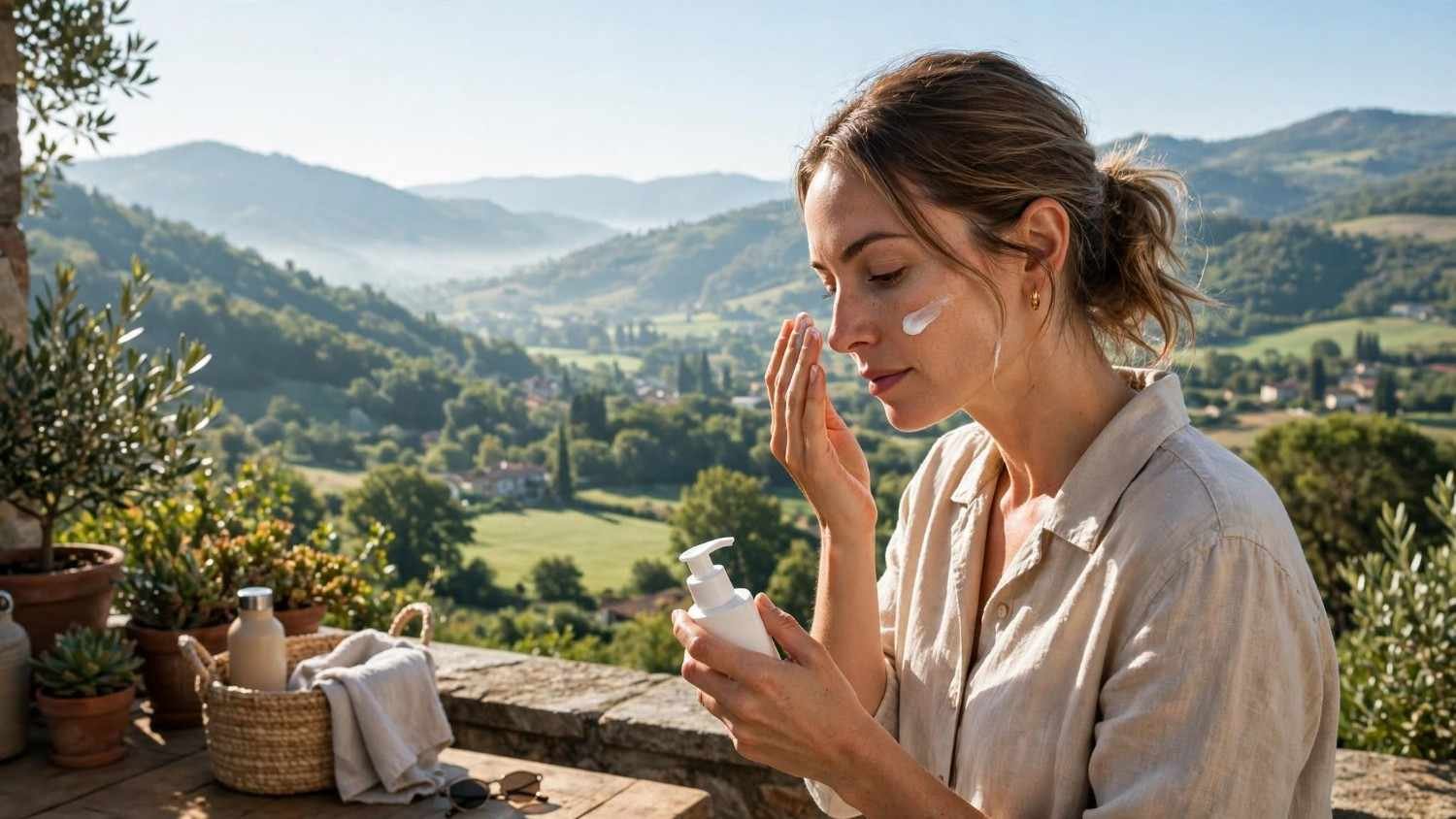
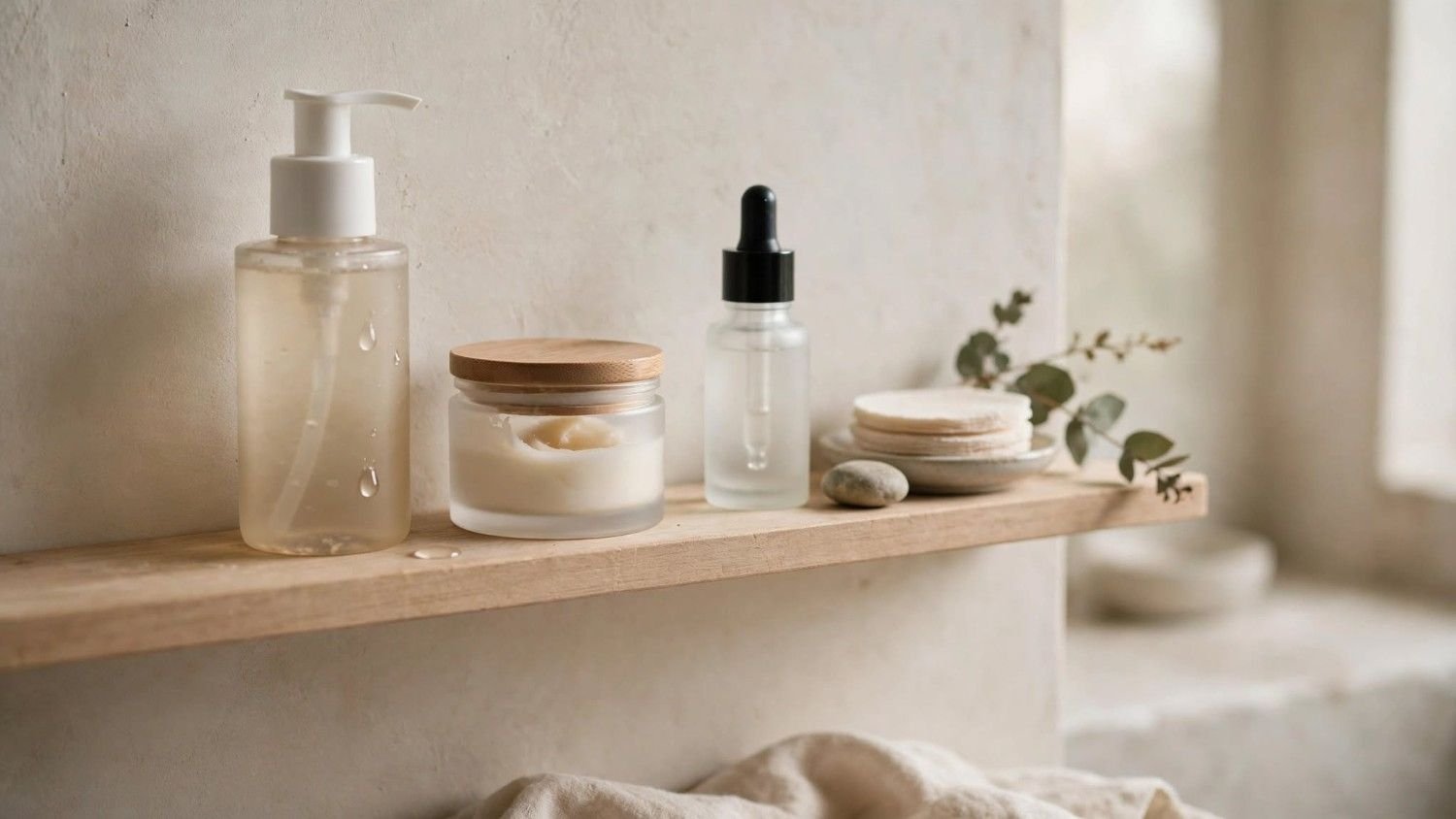
Does your face suddenly sting when you apply moisturizer? Are you dealing with redness, flaky patches, or skin that feels tight no matter how much cream you use? These frustrating symptoms may indicate a weakened skin barrier.
I’ve learned that repairing a damaged skin barrier at home is less about expensive skincare products and more about removing irritants, restoring moisture, and allowing your skin to recover naturally. With a gentle routine, the right ingredients, and a little patience, you can improve your skin’s comfort without overwhelming it with unnecessary treatments.
What Is a Damaged Skin Barrier, and How Can You Recognize It?
Your skin barrier, scientifically called the stratum corneum, is the outermost layer of your skin. It consists of skin cells surrounded by natural lipids, including ceramides, cholesterol, and fatty acids.
These lipids act like mortar between bricks, helping prevent excessive moisture loss while protecting against environmental irritants.
When this protective layer becomes compromised, transepidermal water loss increases, causing dryness, sensitivity, and discomfort.
What Are the Most Common Signs of Skin Barrier Damage?
Common symptoms include persistent dryness, redness, rough texture, flaking, itching, and unusual sensitivity. Products that previously felt comfortable may suddenly cause burning or stinging.
Unlike ordinary dry skin, a weakened barrier may remain irritated even after applying moisturizer. However, eczema, rosacea, and contact dermatitis can produce similar symptoms, so persistent irritation deserves professional attention.
What Causes Your Skin Barrier to Become Damaged?
One of the biggest skincare mistakes I’ve noticed is using too many powerful ingredients simultaneously.
Overusing retinol, tretinoin, glycolic acid, lactic acid, salicylic acid, or physical scrubs can irritate the skin and disrupt its protective function.
Harsh soaps, alcohol-heavy toners, fragranced products, excessive cleansing, and hot showers can worsen the problem.
Environmental conditions also contribute. Cold winters, dry indoor heating, and low humidity in many US homes can increase skin dryness.
Identifying these triggers is essential because continuing irritating habits may slow recovery.
How to Repair Your Skin Barrier at Home in 5 Simple Steps
When considering how to repair a damaged skin barrier at home, I recommend simplifying your skincare routine instead of immediately purchasing additional serums.
Step 1: Temporarily Stop Irritating Active Ingredients
Pause exfoliating acids, abrasive scrubs, and nonessential retinoids while your skin feels irritated. Strong vitamin C serums, alcohol-based toners, and certain acne treatments may also need a temporary break if they cause stinging.
If you’re using prescription tretinoin or another prescribed treatment, consult your clinician before changing it.
Once your skin becomes comfortable again, gradually reintroduce products individually.
Step 2: Use a Gentle, Fragrance-Free Cleanser

Replace harsh soaps with a mild, hydrating cleanser. Creamy or non-foaming formulas may feel more comfortable on sensitive skin.
Wash with lukewarm water, avoid aggressive rubbing, and gently pat your face dry with a soft towel.
For extremely dry skin, rinsing with water in the morning may be enough, although evening cleansing helps remove sunscreen and daily buildup.
Step 3: Moisturize and Seal in Hydration
Choose a fragrance-free moisturizer containing ceramides, glycerin, hyaluronic acid, or other barrier-supporting ingredients.
Apply it while your skin remains slightly damp to improve moisture retention.
At night, consider applying a thin layer of petroleum jelly or a protective balm over especially dry patches to reduce water loss.
If you have oily or acne-prone skin, choose a lightweight, noncomedogenic moisturizer instead of skipping hydration.
Step 4: Protect Your Skin With Sunscreen
Daily sun protection remains important while your skin recovers.
I recommend broad-spectrum SPF 30 or higher. If conventional sunscreen formulas sting, try a gentle mineral sunscreen containing zinc oxide or titanium dioxide.
Reapply approximately every two hours outdoors and after swimming or sweating.
Step 5: Keep Your Nighttime Routine Minimal
Your evening routine doesn’t need multiple serums or complicated treatments.
Gently cleanse your face, apply moisturizer, and protect particularly dry areas with an appropriate occlusive ointment.
Avoid introducing several new products simultaneously. A consistent, simple routine makes it easier to identify irritation triggers.
Which Ingredients Actually Help Repair a Damaged Skin Barrier?
Not every hydrating ingredient works the same way.
Are Ceramides, Niacinamide, and Hyaluronic Acid Helpful?
Ceramides help replenish protective skin lipids, while cholesterol and fatty acids support the barrier’s natural structure.
Glycerin and hyaluronic acid are humectants that attract water, improving hydration.
Niacinamide may support natural lipid production and barrier function, although certain formulations can irritate highly sensitive skin.
I prefer starting with a basic moisturizer before adding separate treatment serums.
Petrolatum provides another benefit by creating a protective layer that limits moisture loss, particularly on very dry areas.
Should You Avoid Makeup While Your Skin Barrier Heals?

You don’t necessarily need to stop wearing makeup, but reducing heavy foundations, powders, and irritating formulas may help.
Choose fragrance-free products that your skin tolerates comfortably. Remove makeup gently without aggressive scrubbing or repeated cleansing.
If makeup causes burning or increases redness, consider taking a temporary break until your skin feels better.
Can Diet and Hydration Support Skin Barrier Recovery?
Healthy habits can support overall skin health, although nutrition cannot replace topical barrier care.
I recommend drinking enough water for your normal hydration needs and maintaining a balanced diet containing healthy fats and antioxidants.
Foods such as salmon, walnuts, chia seeds, berries, and leafy vegetables provide useful nutrients.
However, drinking excessive water or increasing omega-3 intake has not been established as a quick treatment for a damaged facial barrier.
During dry winter months, using a humidifier indoors may also help reduce environmental dryness.
How Long Does a Damaged Skin Barrier Take to Heal?
Recovery depends on the severity of irritation, underlying skin conditions, and whether damaging triggers continue.
Some people notice reduced stinging and tightness within several days to one or two weeks. More significant disruption may require several weeks or longer.
Although three to six weeks is sometimes suggested as a recovery estimate, skin barrier healing doesn’t follow a guaranteed timetable.
Avoid restarting harsh exfoliants immediately after noticing improvement. If symptoms persist, worsen, or become painful, consult a board-certified dermatologist.
What Common Mistakes Can Delay Skin Barrier Recovery?

The biggest mistakes include over-exfoliating, switching products frequently, washing with hot water, and applying multiple active ingredients before irritation resolves.
Avoid DIY treatments involving lemon juice, baking soda, abrasive scrubs, or undiluted essential oils.
Also, don’t assume every case of redness or peeling is simply barrier damage. Persistent inflammation, cracked skin, or signs of infection may require medical treatment.
Frequently Asked Questions (FAQs)
1. Can a Damaged Skin Barrier Heal Naturally?
Yes. Mild damage may improve when you eliminate irritating triggers, moisturize consistently, and protect your skin. However, ongoing symptoms may indicate an underlying condition requiring treatment.
2. Is Vaseline Good for a Damaged Skin Barrier?
Petroleum jelly helps reduce moisture loss and protects dry areas. Apply a thin layer over moisturizer where needed, but remember that it doesn’t treat every cause of skin irritation.
3. Should I Stop Using Vitamin C During Skin Barrier Repair?
If your vitamin C serum causes burning, redness, or increased sensitivity, temporarily pause it. Once irritation settles, consider reintroducing a well-tolerated formula gradually.
4. Can You Repair a Damaged Skin Barrier Overnight?
Complete recovery overnight is unlikely. Moisturizers and protective ointments may improve comfort relatively quickly, but restoring barrier function generally requires consistent care over time.
Final Thoughts
Understanding how to repair a damaged skin barrier at home starts with making skincare simpler, not more complicated.
I’ve found that gentle cleansing, consistent moisturizing, daily sunscreen, and avoiding unnecessary irritation form a practical foundation for healthier-looking skin. Even when choosing the best affordable anti aging skincare products, it’s important to prioritize ingredients that support your skin barrier rather than overwhelm it. Give your skin time to recover, avoid rushing back into aggressive treatments, and seek professional advice if symptoms don’t improve.
Sometimes, the most effective skincare routine is simply knowing when to do less.