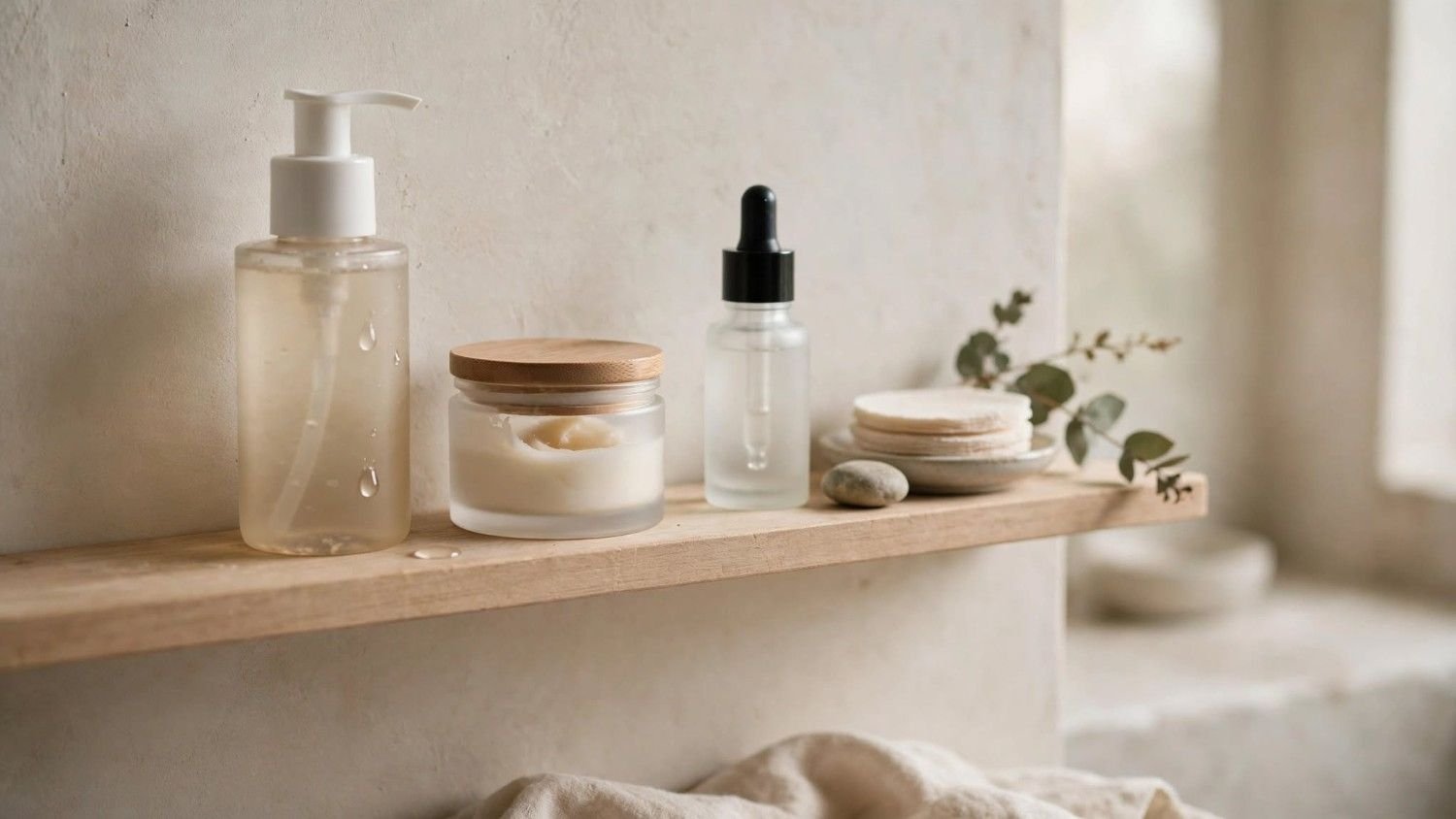

Expensive skincare doesn’t always mean better results. I’ve learned that choosing proven ingredients and following a consistent routine can make a bigger difference than buying luxury creams. The best affordable anti-aging skincare products help improve fine lines, wrinkles, dullness, and dryness without draining your wallet.
From drugstore retinol serums to hydrating moisturizers, plenty of effective options cost less than $30. The secret is understanding what your skin needs and selecting formulas that address those concerns.
Here’s how I’d build an affordable anti-aging skincare routine using effective ingredients, practical product recommendations, and dermatologist-supported skincare habits.
What Are the Best Affordable Anti-Aging Skincare Products Worth Buying?
When shopping at Walmart, Target, CVS, or Ulta Beauty, I recommend looking beyond packaging and focusing on active ingredients. These budget-friendly products offer practical starting points for different skin concerns.
Which Affordable Retinol Serum Works Best for Fine Lines?
The Ordinary Retinol 0.2% in Squalane, generally priced around 8–10, is an accessible option for beginners. Retinol supports skin cell turnover and collagen production, gradually improving fine lines, uneven texture, and dark spots.
Its squalane base helps reduce moisture loss, although irritation remains possible. Another option is CeraVe Skin Renewing Retinol Serum, which combines retinol with ceramides and niacinamide for additional barrier support.
What Is the Best Drugstore Vitamin C Serum for Dark Spots?
CeraVe Skin Renewing Vitamin C Serum, typically around 25–30, contains 10% pure vitamin C and moisturizing ingredients.
Vitamin C provides antioxidant protection, supports collagen synthesis, and can gradually improve uneven pigmentation. I prefer using it in the morning beneath sunscreen to address dullness and discoloration.
Which Affordable Moisturizer Is Best for Mature Skin?

Olay Regenerist Micro-Sculpting Cream, commonly around 24–30, offers rich hydration and niacinamide to support smoother-looking skin.
For nighttime moisture, CeraVe Skin Renewing Night Cream, generally around 15–22, contains ceramides, hyaluronic acid, and peptides.
Both are worth considering for dry or mature skin, although individual results and tolerance vary.
What Is the Best Budget Sunscreen for Preventing Wrinkles?
Neutrogena Ultra Sheer SPF 50 is a widely available drugstore option, with formulations often costing approximately 10–20.
Daily broad-spectrum sunscreen helps prevent UV-related wrinkles, pigmentation, and loss of elasticity. The American Academy of Dermatology recommends SPF 30 or higher, making sun protection my top priority for affordable anti-aging care.
Which Anti-Aging Ingredients Actually Work Without Expensive Brands?
You don’t need specific brands to develop an effective skincare routine. Instead, I recommend understanding five ingredients commonly found in inexpensive anti-wrinkle creams and serums.
Why Are Retinol and Retinal Effective for Aging Skin?
Retinol and retinal are vitamin A derivatives belonging to the retinoid family. They support collagen production and skin renewal, helping reduce fine wrinkles, uneven texture, and some dark spots.
Retinal requires fewer conversion steps than retinol to become active retinoic acid, but effectiveness and irritation depend on the overall formulation.
Beginners should choose gentle formulas with squalane or ceramides and introduce retinoids gradually.
Can Hyaluronic Acid Make Fine Lines Less Noticeable?
Hyaluronic acid is a humectant that attracts and retains water. It temporarily plumps dehydrated skin, making fine lines appear softer.
I recommend applying a hydrating serum to slightly damp skin before sealing in moisture with a cream.
Do Peptides Improve Skin Firmness and Elasticity?
Peptides are short chains of amino acids, which are components of proteins such as collagen and elastin.
Certain topical peptides may help improve skin firmness and elasticity, although research varies between formulations. I consider them useful optional ingredients rather than replacements for retinoids or sunscreen.
Why Is Niacinamide Good for Mature and Sensitive Skin?
Niacinamide, or vitamin B3, strengthens skin barrier function, helps calm redness, and improves uneven skin tone.
It generally pairs well with retinol and moisturizing ingredients, making it valuable for people concerned about both aging and sensitivity.
How Does Vitamin C Help Prevent Premature Skin Aging?
Vitamin C acts as an antioxidant, helping protect skin against environmental oxidative stress. It also supports collagen synthesis and can brighten the appearance of dark spots.
I recommend a stable vitamin C serum in the morning, followed by moisturizer and sunscreen.
How Can You Build an Affordable Three-Step Anti-Aging Skincare Routine?
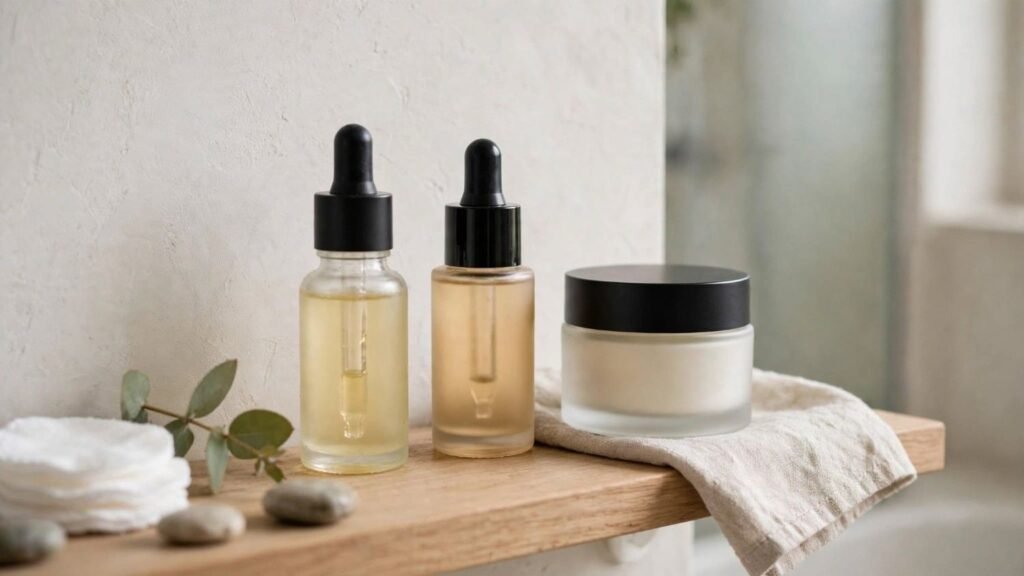
A complicated ten-step regimen isn’t necessary. I prefer a minimalist routine that combines gentle cleansing, targeted treatments, and consistent protection.
| Routine step | Morning (AM) | Evening (PM) |
| 1. Cleanse | Rinse with water or use a gentle hydrating cleanser | Gently remove sunscreen, makeup, and impurities |
| 2. Treat | Apply vitamin C or hyaluronic acid serum | Use retinol or a peptide serum; introduce retinol 2–3 nights weekly |
| 3. Protect or hydrate | Finish with broad-spectrum SPF 30+ | Apply a nourishing cream containing ceramides or niacinamide |
If your skin needs extra moisture in the morning, apply moisturizer before sunscreen.
Start with one treatment at a time. Avoid combining strong exfoliating acids with retinol until you understand your skin’s tolerance. Retinoids should not be used during pregnancy.
How Do You Choose Budget Anti-Aging Skincare for Your Skin Type?
For dry or mature skin, I prefer richer creams containing ceramides, glycerin, and hyaluronic acid.
Oily or acne-prone skin generally benefits from lightweight, non-comedogenic moisturizers and carefully introduced retinoids.
Sensitive skin needs fragrance-free formulas, minimal active ingredients, and consistent barrier protection.
Whether you’re developing an anti-aging skincare routine over 40 or starting preventive care in your 20s, product selection should depend on skin concerns rather than age alone.
How Long Do Affordable Anti-Aging Products Take to Work?
Moisturizers can temporarily soften dehydration-related fine lines within days. Retinoids and brightening treatments generally require several weeks or months to produce noticeable improvement.
According to the American Academy of Dermatology, many anti-aging products need at least six weeks, sometimes up to three months.
When choosing the best affordable anti-aging skincare products, I suggest prioritizing consistency instead of expecting overnight transformations.
What Common Anti-Aging Skincare Mistakes Should You Avoid?

Using too many active ingredients can cause redness, dryness, and irritation. Skipping sunscreen also undermines efforts to prevent premature aging.
Another mistake is assuming expensive products automatically perform better. Formulation, ingredient stability, proper application, and skin compatibility matter far more than luxury packaging.
Frequently Asked Questions (FAQs)
1. Can Affordable Anti-Aging Products Work as Well as Luxury Skincare?
Yes. Budget products can deliver meaningful improvements when they contain suitable, well-formulated ingredients. Higher prices don’t automatically guarantee better results.
2. What Is the Best Affordable Anti-Aging Ingredient for Wrinkles?
Retinoids have strong evidence for improving fine lines and skin texture. However, daily sunscreen is essential for preventing additional UV-related aging.
3. Should I Use Vitamin C or Retinol First?
I generally recommend vitamin C in the morning and retinol at night. Introduce each separately to reduce irritation and identify potential sensitivities.
4. What Is the Cheapest Effective Anti-Aging Skincare Routine?
A gentle cleanser, moisturizer, and broad-spectrum SPF 30+ create an affordable foundation. Add a budget retinol treatment only when appropriate for your skin.
Final Thoughts
Finding the best affordable anti-aging skincare products is less about chasing expensive beauty trends and more about choosing ingredients that deliver meaningful benefits.
I recommend building your routine around sunscreen, hydration, and one targeted active ingredient. Whether you’re following a simple morning skincare routine for busy moms or creating a personalized nighttime regimen, consistency matters more than complexity. With patience and the right products, you can support healthier-looking, smoother skin without spending a fortune.