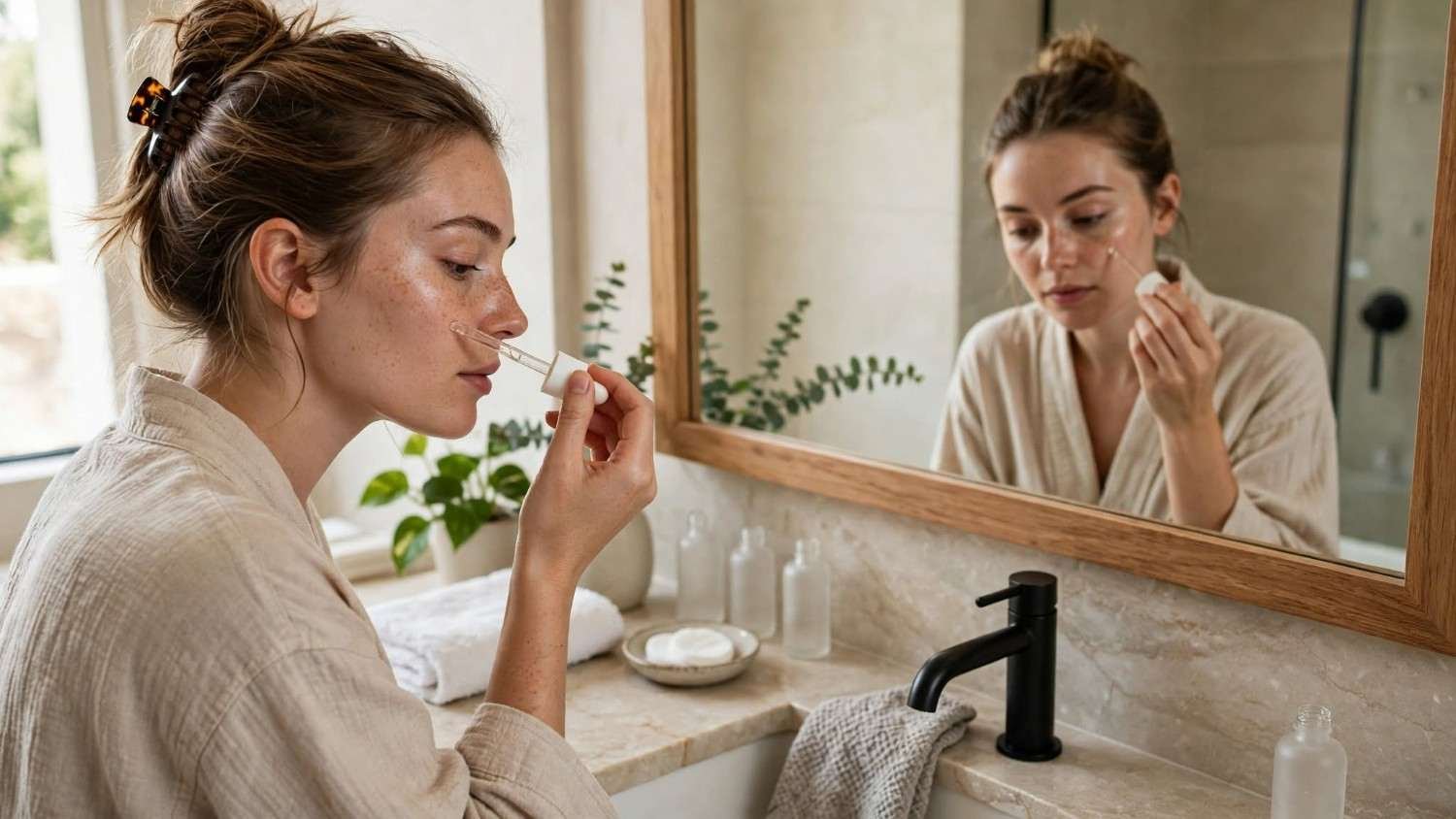

Dealing with stubborn acne and the dark marks left behind can make skincare frustrating. I’ve noticed that many people focus on treating breakouts but overlook the pigmentation that remains after their skin heals. Fortunately, azelaic acid can address both concerns without requiring an overly complicated routine.
Understanding how to use azelaic acid for acne and dark spots can help you build a more effective skincare routine while minimizing irritation. This dermatologist-recommended ingredient targets acne-causing bacteria, reduces inflammation, and helps control excess melanin production.
However, getting results depends on applying it correctly, choosing an appropriate concentration, and protecting your skin from sun exposure.
What Does Azelaic Acid Do for Acne and Dark Spots?
Azelaic acid is a naturally occurring dicarboxylic acid that offers several skincare benefits, particularly for acne-prone skin and uneven skin tone.
It helps reduce acne-associated bacteria and prevents excess keratin buildup that can contribute to clogged pores. Its anti-inflammatory properties may also calm redness and irritated blemishes.
For post-inflammatory hyperpigmentation (PIH), azelaic acid inhibits tyrosinase, an enzyme involved in melanin production. This helps gradually fade brown marks left behind by healed pimples.
I particularly appreciate its versatility because it can benefit different skin types, including people with sensitive skin. However, azelaic acid primarily targets discoloration rather than depressed or raised acne scars.
How Should You Apply Azelaic Acid to Your Face?
Following the correct application order helps minimize irritation and supports consistent results.
Step 1: Cleanse Your Face Gently
Start with a mild, fragrance-free cleanser to remove dirt, oil, and makeup. Avoid abrasive scrubs or harsh exfoliating cleansers that may weaken your skin barrier.
Step 2: Let Your Skin Dry Completely
After cleansing, gently pat your face dry and wait until your skin feels completely dry. This may take a minute or two.
Applying azelaic acid to damp skin can increase stinging for some people, particularly when they first introduce the ingredient.
Step 3: Apply the Right Amount
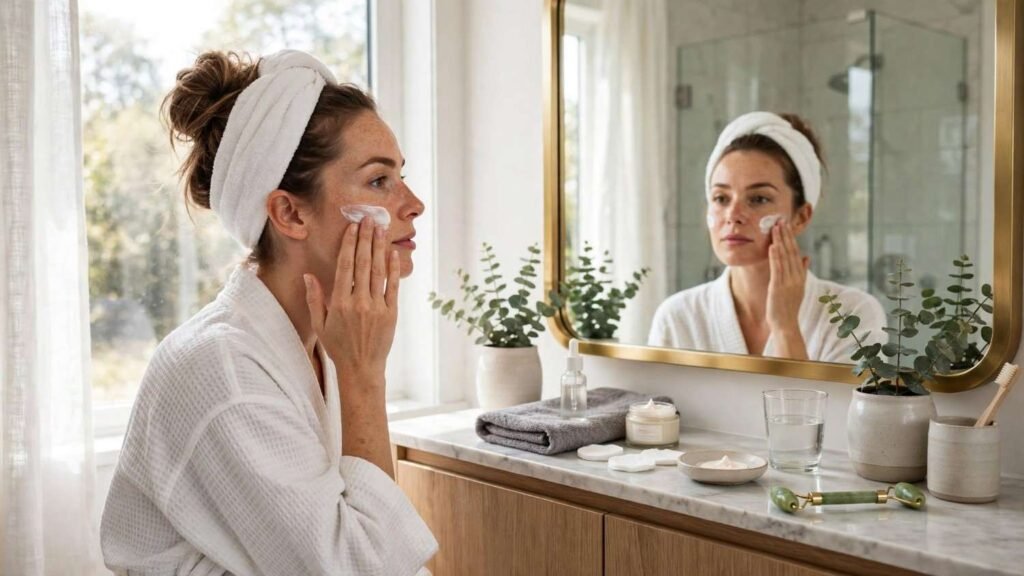
Spread a thin, even layer across the affected areas, avoiding your eyes, lips, and sensitive areas around your nostrils.
A pea-sized amount may be sufficient for certain cosmetic formulations, but always follow your product’s directions. Applying more than recommended won’t necessarily improve results.
Step 4: Layer Your Skincare Products Correctly
If you’re using a lightweight azelaic acid serum, it generally goes before moisturizer. A thicker cream typically follows lightweight serums, although prescription formulations have specific application instructions.
Avoid mixing prescription azelaic acid directly into moisturizer unless your dermatologist recommends it.
Step 5: Apply a Hydrating Moisturizer
Follow with a noncomedogenic moisturizer containing ingredients such as ceramides, glycerin, or hyaluronic acid.
These ingredients support your skin barrier and help reduce the dryness sometimes associated with acne treatments.
Step 6: Finish With Sunscreen Every Morning
Apply broad-spectrum SPF 30 or higher each morning, even when your primary skincare goal is fading old acne marks.
For persistent pigmentation, I recommend considering tinted sunscreen containing iron oxides, which provides additional protection against visible light.
Should You Use Azelaic Acid in the Morning or at Night?
Azelaic acid can be used in either routine, depending on your product instructions and skin tolerance.
For beginners using an over-the-counter product, I suggest starting every other evening for approximately two weeks. If your skin tolerates it, gradually increase frequency according to the label.
Your morning routine can include cleanser, azelaic acid, moisturizer, and sunscreen. At night, simply cleanse, apply azelaic acid, and moisturize.
Some prescription formulations are used twice daily. Always follow your dermatologist’s prescribed schedule rather than automatically increasing frequency.
Is 10%, 15%, or 20% Azelaic Acid Better for Acne?

In the United States, 10% azelaic acid is commonly available in over-the-counter skincare products. These formulations can be convenient options for beginners managing mild blemishes or uneven skin tone.
Prescription 15% formulations are commonly used for rosacea, while certain 20% creams are approved for acne treatment.
Stronger concentrations aren’t necessarily better for everyone. Your skin’s sensitivity, acne severity, formulation, and dermatologist’s recommendations should guide your choice.
Can You Combine Azelaic Acid With Other Skincare Ingredients?
Can You Use Azelaic Acid With Niacinamide?
Yes, these ingredients are generally compatible. Niacinamide supports the skin barrier and may help reduce uneven pigmentation.
Together, they can complement a routine focused on acne and dark spots, although combining them doesn’t guarantee faster results.
Can You Use Azelaic Acid With Retinol or Tretinoin?
Azelaic acid and retinoids can complement each other in acne treatment, but combining them may increase irritation.
One practical approach is using azelaic acid in the morning and a retinoid at night, or alternating evenings. Introduce each ingredient separately before combining them.
What About Vitamin C, Salicylic Acid, and Benzoyl Peroxide?
Vitamin C may complement azelaic acid’s pigmentation benefits, while salicylic acid and benzoyl peroxide target other causes of acne.
However, layering several active ingredients can increase dryness, burning, and sensitivity. I recommend adding products gradually instead of combining everything immediately.
How Long Does Azelaic Acid Take to Fade Acne and Dark Spots?
Azelaic acid requires patience and consistent application.
Some people notice improvements in inflammatory acne within four to eight weeks. More significant results may require several months.
Dark spots typically take longer to fade. Depending on pigmentation severity, noticeable improvement may take three to six months or longer. Deeper discoloration and melasma may require additional treatment.
I recommend tracking your progress with monthly photographs under consistent lighting rather than expecting dramatic overnight changes.
What Are the Common Side Effects and Mistakes to Avoid?
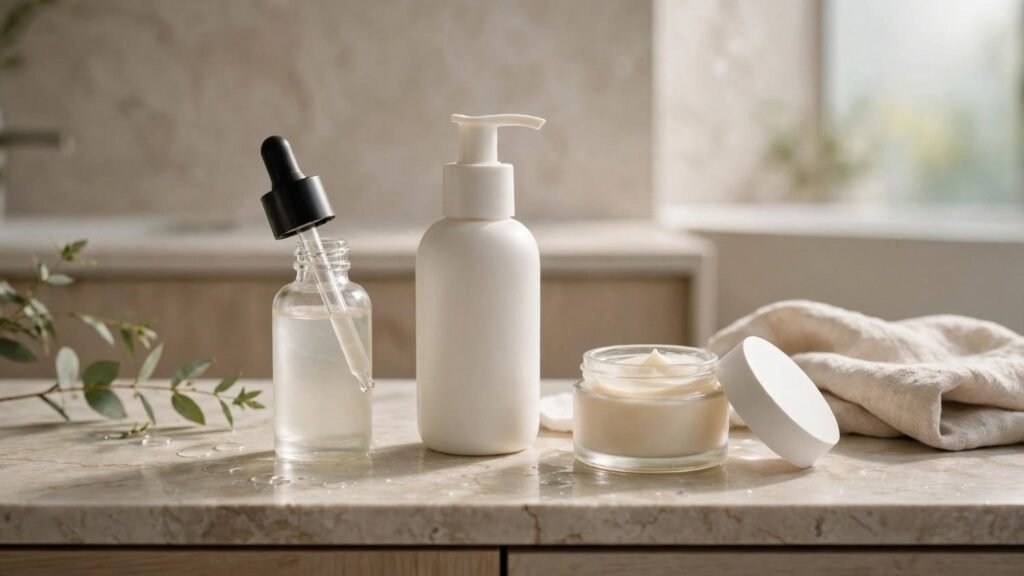
Mild stinging, itching, dryness, and redness can occur when starting azelaic acid.
Avoid excessive application, harsh scrubs, strong exfoliants, and introducing multiple new treatments simultaneously.
If your skin becomes persistently irritated, reduce or stop use and consult a healthcare professional. Severe swelling, blistering, or signs of an allergic reaction require prompt medical attention.
Most importantly, don’t skip sunscreen or assume every new breakout represents skin purging.
Frequently Asked Questions (FAQs)
1. Can I Use Azelaic Acid Every Day?
Yes, many formulations support daily use when tolerated. Beginners may prefer a gradual introduction, while prescription users should follow their dermatologist’s instructions.
2. Does Azelaic Acid Remove Old Acne Dark Spots?
Azelaic acid can gradually improve older post-inflammatory pigmentation. However, deeply embedded discoloration may take longer and sometimes requires additional dermatologist-guided treatment.
3. Can Azelaic Acid Cause Skin Purging?
Purging isn’t an inevitable or well-established effect of azelaic acid. New breakouts may reflect irritation, ordinary acne fluctuations, or other factors.
4. Is Azelaic Acid Suitable for Sensitive Skin?
Many people with sensitive skin tolerate azelaic acid, but irritation remains possible. Start cautiously, use a gentle moisturizer, and seek professional advice if sensitivity persists.
Conclusion
Learning how to use azelaic acid for acne and dark spots can simplify your approach to managing breakouts and lingering pigmentation.
I’ve found that the most sensible skincare strategy is often the simplest: introduce treatments gradually, maintain your skin barrier, and consistently protect your skin from sunlight. While exploring the best affordable anti aging skincare products, it’s also worth considering versatile ingredients like azelaic acid, which can help improve uneven skin tone and support a smoother-looking complexion without requiring an expensive skincare routine.
Azelaic acid won’t deliver instant results, but patient, appropriate use can help improve acne and uneven skin tone over time.