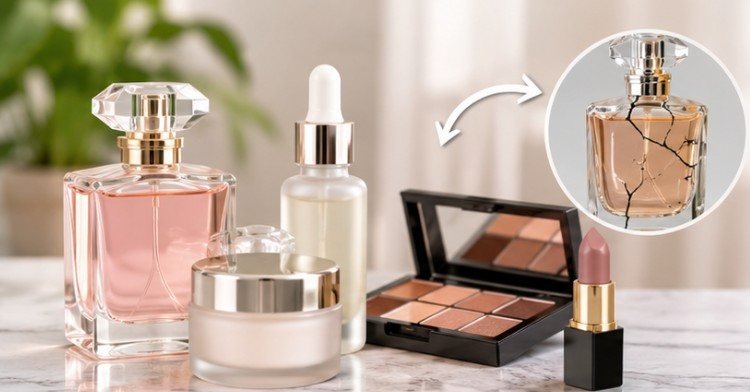
A perfectly packaged skincare order can still arrive with a shattered serum bottle, cracked makeup palette, or leaking moisturizer. The problem often isn’t careless handling. It’s packaging that cannot withstand the ordinary pressure, movement, and temperature changes of transportation.
Understanding how to ship fragile beauty products safely means protecting more than the container. You must also preserve the formula, prevent contamination, and meet shipping regulations.
Whether you’re running a small cosmetics business in the United States or sending beauty gifts across the country, a few thoughtful packaging decisions can prevent expensive damage and disappointed customers.
Why Beauty Products Need Specialized Shipping Protection
Beauty products present unusual shipping challenges because different formulations and containers respond differently to physical stress.
Glass perfume bottles can crack from impact, pressed powders can crumble under pressure, and liquid skincare products may leak when closures loosen. Temperature-sensitive creams and serums face additional risks.
The International Safe Transit Association (ISTA) identifies shock, vibration, compression, temperature, and humidity as important transportation hazards in its e-commerce packaging testing guidance.International Safe Transit Association
This explains why attractive retail packaging alone rarely provides enough shipping protection. Effective cosmetic shipping requires three layers of defense: secure primary packaging, protective cushioning, and a durable outer container.
Start by Securing Bottles Against Leaks
Check Closures Before Adding Cushioning
A tightly packed box cannot compensate for a poorly sealed bottle.
Before packaging skincare products, inspect pumps, droppers, screw caps, and dispensing mechanisms. Make sure closures are secure and protective seals remain intact.
For pump bottles, use manufacturer-provided locking clips or caps. For glass droppers, protect the exposed glass stem and avoid applying excessive pressure to the closure. Never assume a decorative cap provides a reliable liquid seal.
Contain Each Liquid Separately
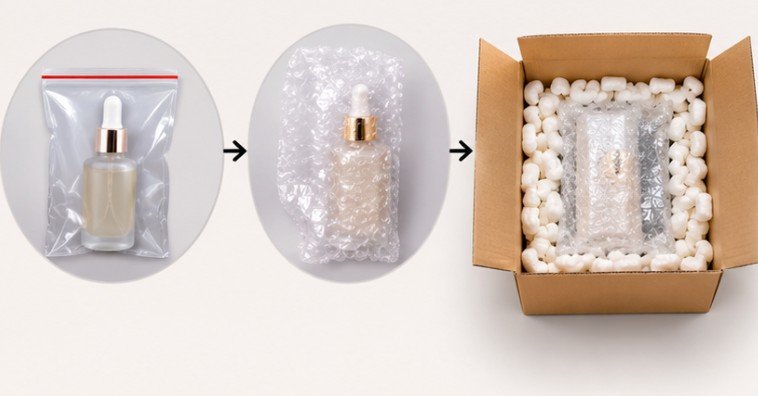
Place individual liquid products inside properly sized, leak-resistant plastic bags or sealed secondary containers.
Add absorbent material where appropriate so an unexpected spill doesn’t spread throughout the shipment.
This precaution is particularly valuable when shipping facial oils, liquid foundations, cleansing products, and concentrated serums.
Position bottles upright where practical, but remember that directional arrows cannot guarantee a package will remain upright throughout delivery.
Choose Packaging Materials That Actually Absorb Impact
The safest packaging combines shock absorption with movement restriction.
Protect Glass Bottles and Ceramic Jars
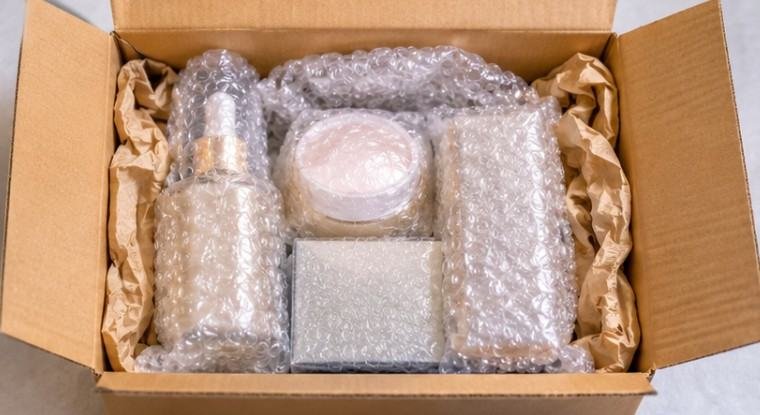
Wrap each breakable item separately using bubble cushioning, foam sleeves, molded pulp inserts, or another suitable protective material.
Pay additional attention to bottle shoulders, corners, dispensing heads, and exposed glass edges.
For particularly delicate items, provide approximately two to three inches of protective cushioning around the product as an initial packing guideline. Adjust the thickness based on the cushioning material, product weight, and package testing.
Avoid allowing glass containers to touch each other directly.
Keep Makeup Palettes From Cracking
Pressed powders require protection against concentrated pressure and sudden impacts.
Wrap makeup palettes in soft foam or cushioning material before placing them inside a rigid protective box.
Foam sheets can help distribute pressure across the palette rather than concentrating force on one corner.
For larger eyeshadow palettes, consider fitted inserts that restrict movement without pressing heavily against the makeup pans.
A padded envelope alone is generally unsuitable for delicate glass packaging or highly breakable cosmetics.
Select a Shipping Box That Fits Correctly
An oversized carton creates unnecessary movement, while an undersized box may transfer external pressure directly to fragile containers.
Choose a sturdy corrugated shipping box with enough clearance for protective cushioning on every side.
Position heavier products toward the bottom and separate them from delicate items using dividers or individual compartments.
Fill remaining gaps with crumpled kraft paper, air pillows, foam, or suitable biodegradable cushioning.
For additional protection, place expensive perfume bottles or luxury skincare sets inside an independently cushioned inner box before positioning them inside a larger outer carton.
This double-boxing approach provides another barrier against impact.
However, additional packaging only helps when the inner container remains securely supported. Loose boxes can still collide during transportation.
Protect Cosmetics Against Heat and Cold
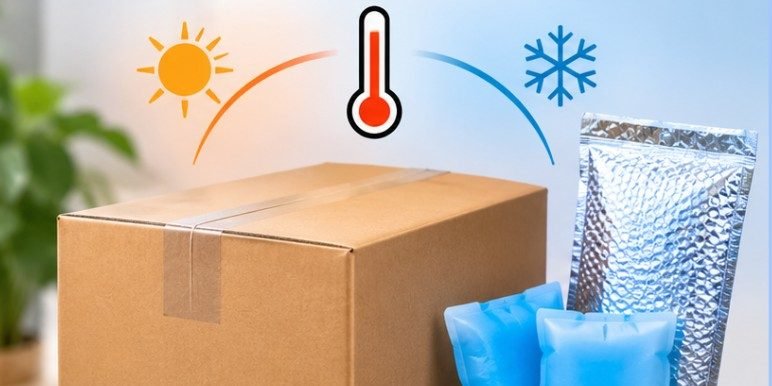
Temperature damage can be harder to detect than broken glass. The U.S. Food and Drug Administration explains that temperature changes can affect cosmetics’ color, texture, and stability. Certain emulsions may separate, while preservatives can deteriorate under unsuitable storage conditions.
During summer shipping across states such as Arizona, Texas, and Florida, prolonged exposure to hot delivery vehicles can create additional concerns.
Insulated liners may reduce short-term temperature fluctuations. Temperature-controlled fulfillment or validated thermal packaging may be necessary for particularly sensitive formulas.
Cold packs should only be used when appropriate for the product and packaging system. Condensation and accidental freezing can create new problems.
For sunscreen, follow manufacturer storage guidance and the FDA’s recommendations on avoiding excessive heat and direct sunlight.
Check US Shipping Restrictions Before Mailing Cosmetics
Some beauty products are regulated as hazardous materials, even when they appear harmless during ordinary use. Alcohol-based perfumes, certain nail polishes, and aerosol beauty products may face transportation restrictions.
The Pipeline and Hazardous Materials Safety Administration explains that qualifying limited-quantity hazardous shipments can require specific packaging and markings.
For example, USPS generally requires alcohol-based perfume to travel domestically by ground transportation unless special air authorization applies. Its rules also prohibit mailing such perfume internationally.
Review the current USPS hazardous materials requirements before preparing these shipments. Do not assume that purchasing faster shipping automatically makes a restricted product eligible for air transportation.
Seal, Label, and Inspect Every Package
Once products are positioned securely, close the carton using strong shipping tape.
Apply tape along the central opening and both side seams, creating an H-shaped seal across the top and bottom.
Attach the shipping label to a flat, visible surface without covering important barcodes or required hazardous-material markings.
Fragile stickers can communicate handling preferences, but they do not replace proper cushioning.
Perform a Simple Packaging Check
Before dispatching an order, use this practical inspection sequence:
- Confirm that every bottle is sealed and separately protected.
- Check that glass containers cannot collide.
- Gently move the closed package and listen for shifting.
- Inspect the carton for bulging or weak seams.
- Verify shipping restrictions and required labels.
- Photograph the finished packaging for order records.
For businesses shipping large volumes, professional drop and vibration testing provides more reliable evidence than a simple shake test.
Reduce Packaging Waste Without Increasing Damage
Sustainable beauty packaging should eliminate unnecessary material without compromising protection.
Consider recyclable corrugated cartons, fitted paper inserts, reusable cushioning, and appropriately sized shipping boxes.
The Environmental Protection Agency’s sustainable packaging guidance encourages more efficient packaging designs that reduce material consumption and waste.
Avoid replacing protective packaging with thinner materials without first testing their performance.
A damaged shipment can generate additional waste through discarded products, replacement packaging, and repeated transportation.
Frequently Asked Questions
1. What is the best way to ship glass skincare bottles?
Seal each bottle, place it inside leak-resistant secondary packaging, wrap it with protective cushioning, and secure it within a sturdy corrugated box.
2. Can I ship perfume through USPS?
Alcohol-based perfume is generally permitted domestically by ground transportation under applicable USPS limits, packaging, and marking requirements. International mailing is prohibited.
3. Is bubble wrap enough for fragile makeup?
Not always. Bubble wrap cushions impacts, but delicate makeup palettes also benefit from rigid outer packaging and fitted inserts that prevent concentrated pressure.
4. How can I prevent skincare products from leaking?
Secure closures, protect pumps, use individual leak-resistant bags, and include absorbent materials where appropriate. Never rely solely on keeping bottles upright.
Safe Shipping Begins Before the Box Is Sealed
Learning how to ship fragile beauty products safely isn’t about using the largest box or adding endless layers of bubble wrap. It’s about understanding the specific risks each product faces during transportation.
A glass serum needs impact protection, a liquid foundation needs reliable leak containment, and a temperature-sensitive cream may need specialized handling.
I recommend testing your packaging with representative products before adopting it for regular customer orders. Track damage complaints, inspect returned shipments, and improve weak points.
The strongest shipping strategy is one that customers never have to think about: their beauty products simply arrive intact, usable, and ready to enjoy.