Finding the best shampoo for fine oily hair and dry ends can feel like solving two opposite problems. Your scalp gets greasy within a day, but your ends remain dry, tangled, and difficult to manage. Strong cleansing shampoos might strip away moisture, while rich moisturizing formulas can leave fine strands looking flat.
I’ve found that the smartest approach is to treat the scalp and hair lengths as separate zones. Your roots need effective oil control, while your ends require lightweight hydration and protection.
Let’s explore seven worthwhile shampoos, the ingredients that deserve attention, and washing techniques that help maintain cleaner roots without sacrificing softness.
What Is the Best Shampoo for Oily Roots and Dry Ends?
The ideal shampoo removes excess sebum and product buildup without leaving hair feeling rough or dehydrated.
Kérastase Spécifique Bain Divalent is a strong premium option, while L’Oréal Paris Elvive Hyaluron + Pure offers an affordable alternative. Both target oily roots and drier lengths.
However, ingredients and washing habits matter just as much as the shampoo itself. Fine hair often responds better to lightweight formulas than heavy, oil-rich treatments. I also recommend using a suitable heat protectant before styling to protect hair from heat damage, prevent unnecessary dryness, and keep delicate ends looking smoother and healthier.
7 Best Shampoos for Fine, Oily Hair That Needs Lightweight Hydration
1. Kérastase Spécifique Bain Divalent – Best Overall
Kérastase Bain Divalent specifically targets oily roots and sensitized lengths. Its formulation includes amino acids and vitamin B6, with a focus on scalp cleansing and maintaining softness.
I recommend considering it when your roots become greasy quickly but your ends feel uncomfortable after stronger cleansing products.
Its premium price may be a drawback, and its fragrance may not suit sensitive scalps.
2. L’Oréal Elvive Hyaluron + Pure – Best Drugstore Option
L’Oréal Elvive Hyaluron + Pure Purifying Shampoo is an accessible choice for budget-conscious US shoppers.
It combines a scalp-cleansing approach with a formula marketed for dehydrated lengths. It’s particularly appealing when you want an affordable alternative to salon shampoos.
Pair it with a lightweight conditioner for additional softness.
3. Pureology Hydrate Sheer – Best for Color-Treated Fine Hair
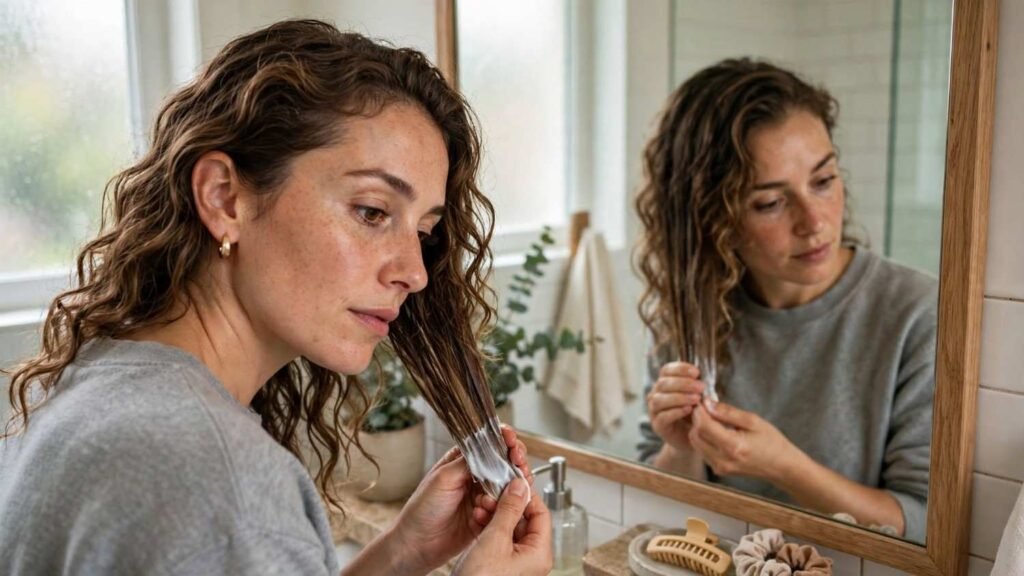
Color-treated hair often needs additional conditioning without excessive weight.
Pureology Hydrate Sheer is formulated for fine, dry, color-treated strands. Its lightweight conditioning approach makes it worth considering when your ends need moisture but your hair loses volume easily.
Very oily scalps may occasionally need stronger cleansing.
4. Verb Ghost Shampoo – Best for Weightless Volume
Verb Ghost Shampoo focuses on lightweight cleansing and manageability.
I would consider this formula if rich shampoos make your fine hair look flat shortly after washing.
It’s particularly appealing for hair that needs modest hydration rather than intense repair.
5. OUAI Detox Shampoo – Best for Removing Buildup
Styling products, dry shampoo, and hard-water minerals can leave your roots feeling coated.
OUAI Detox Shampoo offers deeper cleansing for stubborn buildup. However, I wouldn’t use an intensive clarifying formula more frequently than necessary, especially with fragile ends.
Always follow with conditioner.
6. SEEN Scalp Clarifying Shampoo – Best for Sensitive Scalps
SEEN Scalp Clarifying Shampoo provides a fragrance-free approach to removing excess oil and residue.
It’s worth investigating if fragranced scalp products cause discomfort or if your skin is easily irritated.
Even gentle products can cause individual reactions, so monitor how your scalp responds.
7. Biolage Scalp Sync Clarifying Shampoo – Best for Excess Oil
Biolage Scalp Sync Clarifying Shampoo targets excess scalp oil and accumulated residue.
I would consider it for persistently greasy roots, particularly when regular shampoo no longer leaves the scalp feeling clean.
Protect your lengths with a lightweight conditioner afterward.
Which Shampoo Ingredients Help Oily Roots Without Drying Out Fine Hair?
Choosing the best shampoo for fine oily hair and dry ends becomes easier when you understand what the ingredients actually do.
Salicylic Acid and Glycolic Acid for Scalp Buildup
Salicylic acid helps loosen scalp flakes and buildup. Glycolic acid, an alpha hydroxy acid (AHA), can also exfoliate in appropriately formulated scalp products.
These ingredients may be useful when residue and flaking are concerns. However, frequent exfoliation can irritate sensitive skin, so follow product directions carefully.
Tea Tree Oil and Rosemary Extract for Scalp Care

Tea tree oil and rosemary extract frequently appear in refreshing scalp-care shampoos.
Although these botanical ingredients may provide a pleasant cleansing experience, neither is reliably proven to regulate scalp oil production. Tea tree oil can also trigger irritation or allergic reactions.
I would prioritize a well-formulated cleanser over botanical marketing claims.
Hyaluronic Acid and Pentavitin for Lightweight Moisture
Hyaluronic acid and Pentavitin, a trade name for a saccharide isomerate moisturizing ingredient, are humectants that attract and help retain water.
They can contribute to hydration in appropriate formulations without necessarily requiring heavy oils.
However, rinse-off shampoos provide limited conditioning time, making a separate lightweight conditioner particularly valuable for dry ends.
Are Sulfate-Free Shampoos Better for Fine, Oily Hair?
Sulfate-free formulas can be helpful when stronger cleansers leave your hair feeling dry.
However, sulfates aren’t automatically damaging, and there’s insufficient evidence that sulfate cleansing makes the scalp produce extra oil in response.
What matters most is the complete formula, your scalp’s tolerance, and how effectively the shampoo removes buildup.
How Do You Wash Oily Roots Without Stripping Dry Ends?
I recommend a simple zone-washing routine that treats your scalp and hair lengths differently.
Step 1: Shampoo Only Your Scalp and Roots
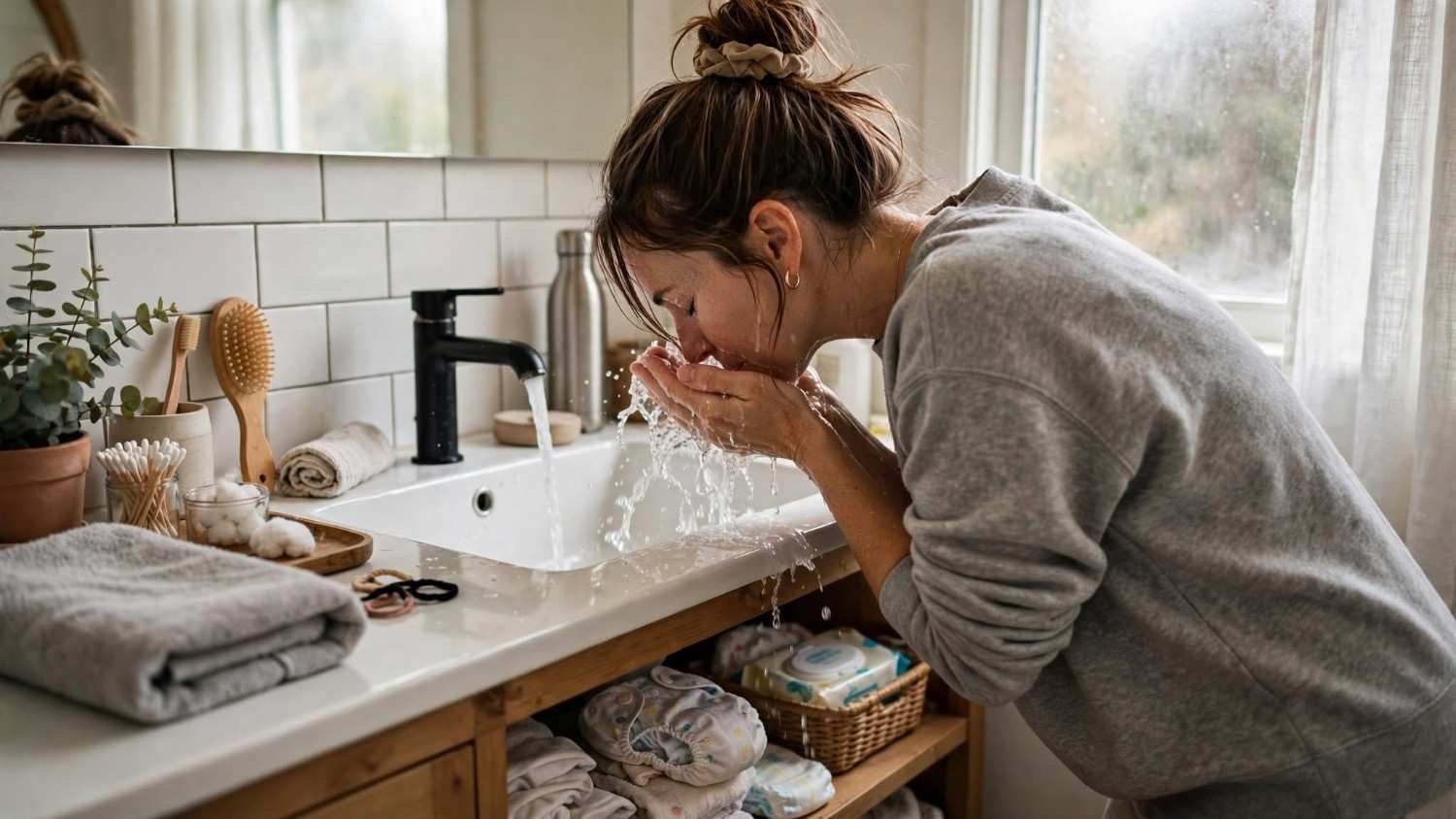
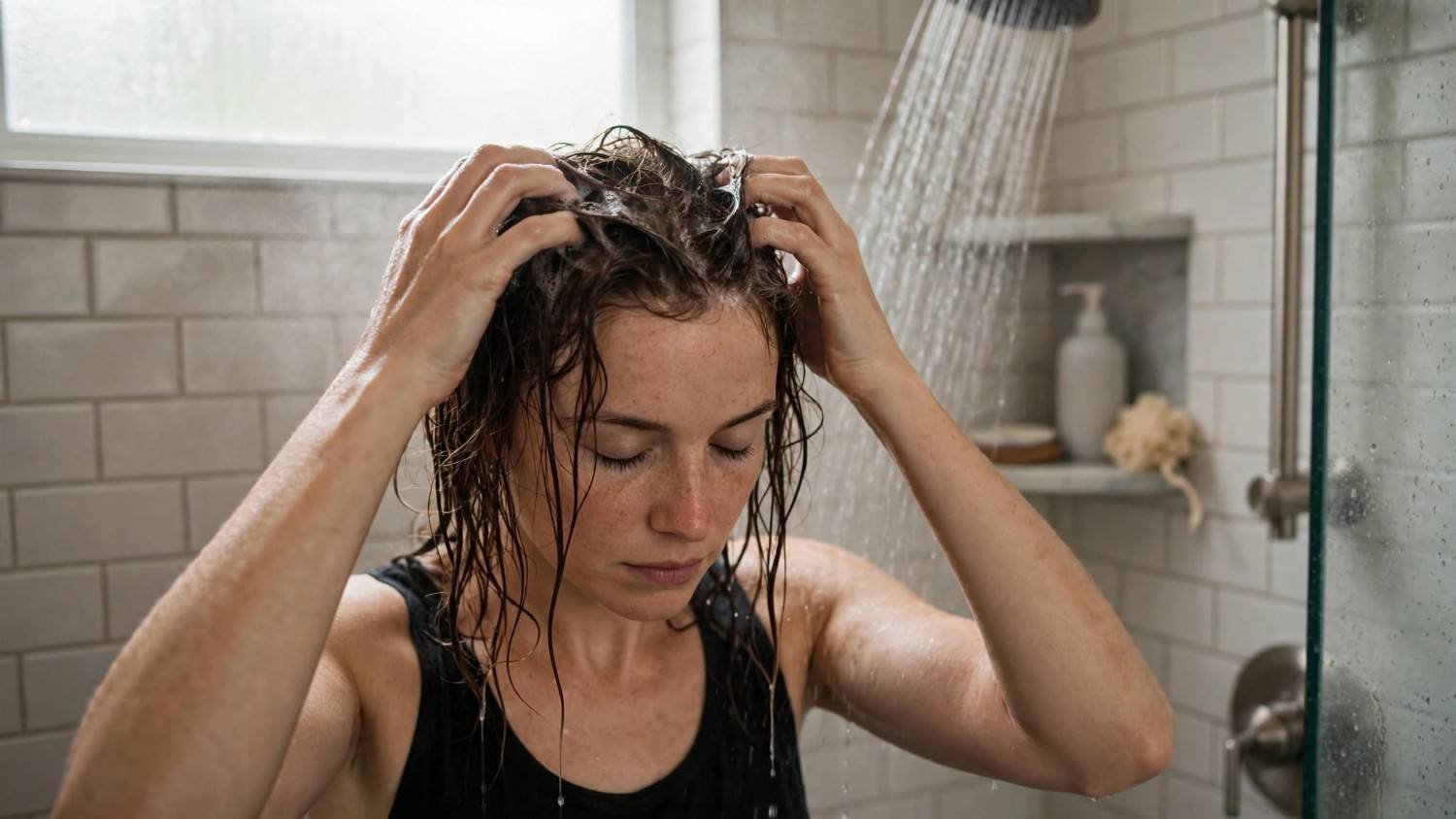
Wet your hair thoroughly using lukewarm water. Massage shampoo gently into your scalp with your fingertips, concentrating on oily areas.
Avoid piling your hair on top of your head or aggressively scrubbing the ends. Allow the suds to rinse naturally through the lengths.
This helps remove scalp oil while limiting unnecessary friction and dryness.
Step 2: Pre-Condition Extremely Dry Ends
If your ends are particularly damaged, try applying a small amount of lightweight conditioner to the lower lengths before shampooing.
This optional technique may help reduce tangling and friction during washing, although it isn’t essential for everyone.
Keep the conditioner away from greasy roots.
Step 3: Condition From the Ears Down
After rinsing shampoo, apply conditioner from approximately ear level downward, focusing on the driest sections.
For shorter hair, simply concentrate on the tips.
This helps fine hair retain softness without unnecessarily coating the scalp. Rinse thoroughly to minimize residue.
How Often Should You Wash Fine Hair With an Oily Scalp?
Fine, straight hair with an oily scalp may need daily washing, while other hair types can comfortably go longer.
I recommend washing according to actual oiliness rather than forcing a fixed schedule.
Use a suitable regular shampoo and introduce clarifying products only when buildup warrants additional cleansing.
Limit excessive heat styling, avoid heavy oils near the roots, and protect your ends with an appropriate heat protectant.
Frequently Asked Questions (FAQs)
1. Can I Shampoo Fine, Oily Hair Every Day?
Yes. Daily washing can be appropriate when your scalp becomes greasy quickly. Choose a tolerable cleanser and concentrate conditioning on the ends to reduce unnecessary dryness.
2. Should I Avoid Conditioner if My Scalp Is Oily?
No. Conditioner helps soften and detangle dry lengths. Apply it primarily to the ends rather than the scalp, particularly when your fine hair becomes weighed down easily.
3. Can Clarifying Shampoo Damage Dry Ends?
Frequent or aggressive clarification can leave damaged hair feeling rough. Use it according to your scalp’s needs, avoid unnecessarily scrubbing the lengths, and condition afterward.
4. How Can I Keep Fine Hair Voluminous and Moisturized?
Choose lightweight cleansing and conditioning products, avoid heavy styling creams near the roots, and reduce unnecessary heat exposure. Regular trims can also improve the appearance of worn ends.
Final Thoughts
Finding the best shampoo for fine oily hair and dry ends isn’t about choosing the strongest oil-removing formula. It’s about balancing effective scalp cleansing with gentle care for delicate lengths.
I would consider Kérastase Bain Divalent for a premium balancing option or L’Oréal Elvive Hyaluron + Pure for a more affordable starting point. Occasionally incorporating a detoxing scalp routine can also help remove stubborn product buildup and excess oil without relying on harsh daily cleansing.
Most importantly, practice zone-washing, focus conditioner on your ends, and adjust cleansing frequency to match your scalp. These simple habits can help your fine hair feel fresher, softer, and naturally bouncier.