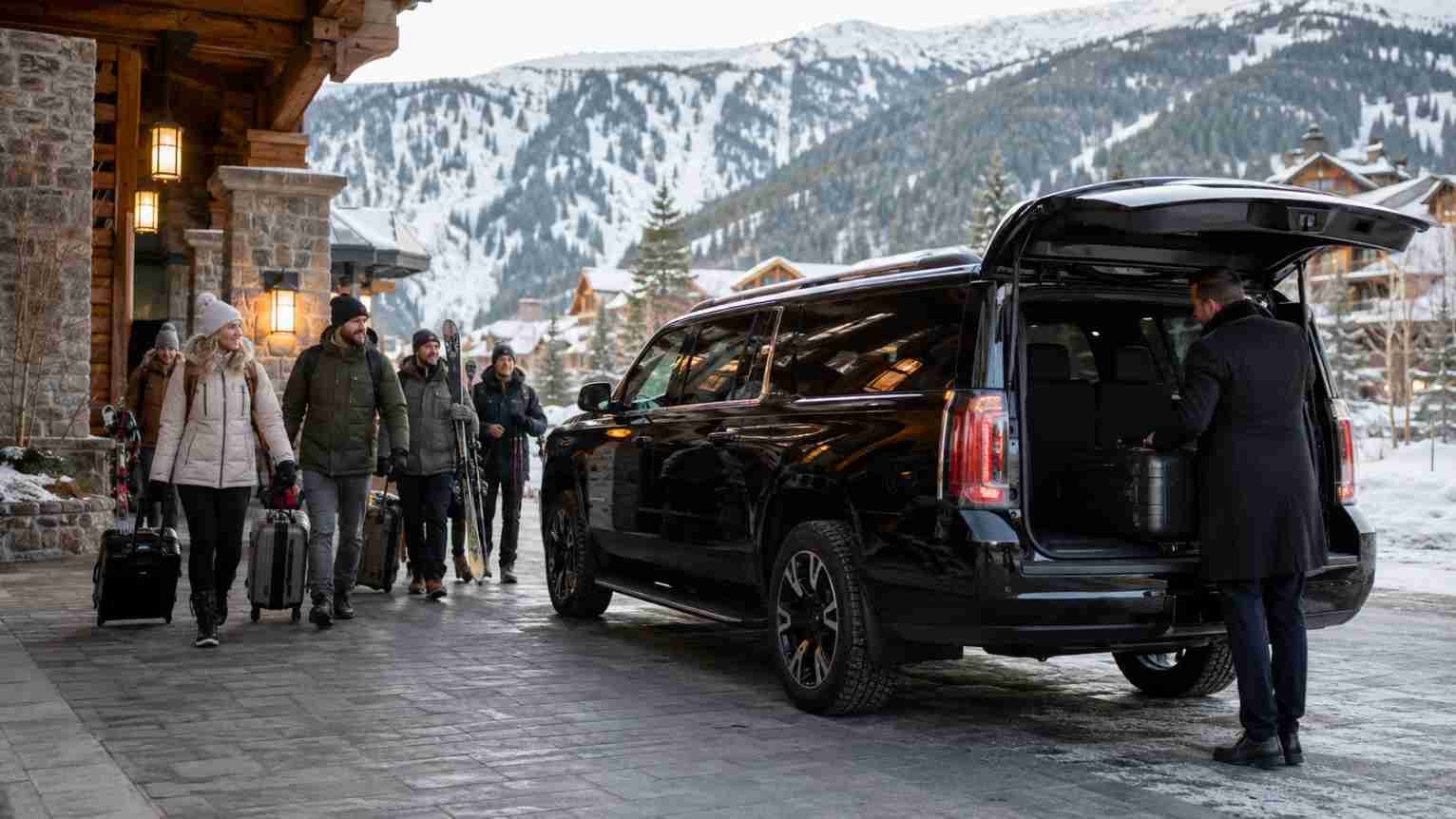

I want to remember the views, meals, and unexpected discoveries from a vacation—not the moment my shoes started rubbing. Whether I’m planning museum visits in Washington, D.C., or neighborhood walks in Chicago, footwear deserves as much attention as the itinerary.
Learning how to choose comfortable shoes for travel starts with matching the fit, support, and materials to your plans. The right pair should feel comfortable immediately, hold your feet securely, and suit the surfaces you’ll explore. Here’s how to make that choice before sore feet interrupt your trip.
Start With Your Itinerary, Not the Shoe Brand
Think about your busiest planned day. Airport terminals, standing in attraction lines, and walking between restaurants can add considerable time on your feet.
For city sightseeing, consider cushioned walking shoes or running shoes that feel stable. For rocky trails, look for footwear with suitable traction and protection. A beach vacation may require walking sneakers plus sandals with secure straps.
Weather matters, too. Breathable uppers suit hot afternoons in Charleston, while wet-weather trips may justify water-resistant footwear. One pair can cover several activities, but it shouldn’t compromise your comfort during the activity you’ll do most.
Make Fit Your First Priority
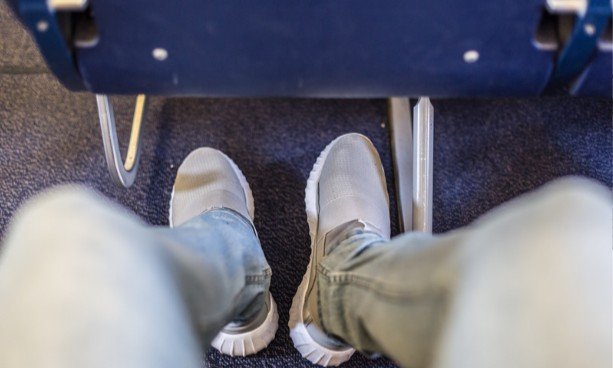
A popular shoe can still be wrong for your feet. Compare several styles and widths rather than assuming your usual size will fit every brand.
Check Toe Room and Width
Leave roughly a finger’s width between your longest toe and the shoe’s end. Your toes should spread comfortably without pressing against the sides or upper.
If the forefoot feels squeezed, try a wider version rather than automatically choosing a longer shoe. Extra length won’t necessarily fix insufficient width.
Secure Your Heel and Midfoot
Comfortable, well-fitting shoes belong on your list of travel essentials for first solo trip. Your heel should stay comfortably in place while walking. Repeated lifting or sliding can create friction.
Laces or adjustable straps help fine-tune the fit, but they shouldn’t need extreme tightening. Pressure across the top of your foot may mean the shoe lacks sufficient depth.
Shop With Your Travel Socks
Try both shoes later in the day, when your feet may be slightly larger. Wear the socks you’ll actually pack.
Bring your usual orthotics or inserts, too. Check that the shoe accommodates them without crowding your toes or lifting your heel excessively.
Balance Cushioning With Stability
When considering how to choose comfortable shoes for travel, avoid judging comfort only by how soft the sole feels.
Cushioning can make hard sidewalks more pleasant, but the shoe should also feel steady during turns and prolonged standing. An extremely soft platform may feel enjoyable initially yet unsuitable for your preferences.
Walk normally, change direction, and pause as if waiting in line. Notice whether your foot feels supported without uncomfortable pressure beneath the arch.
For conventional walking shoes, the forefoot should generally bend near the ball of your foot. Different constructions behave differently, so use physical checks alongside actual walking comfort.
Match Materials and Grip to Your Destination
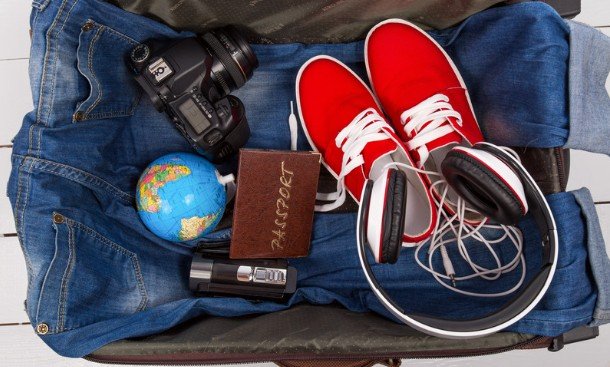
Mesh uppers often provide useful ventilation for warm-weather sightseeing. Leather or synthetic uppers may offer other advantages, including durability or easier cleaning, depending on their construction.
Waterproof shoes can help in sustained wet conditions, but they aren’t essential for every itinerary. Consider temperature, expected rainfall, and opportunities to dry your footwear overnight.
Inspect the outsole as carefully as the upper. Look for tread suited to your route, whether that means sidewalks, gravel paths, or muddy trails.
No outsole guarantees secure footing everywhere. Wet tile, smooth stone, and icy sidewalks still require care.
Choose Versatility Without Sacrificing Comfort
Neutral sneakers can work with jeans, casual dresses, and travel pants, helping reduce packing. However, looking appropriate for dinner doesn’t automatically make a shoe suitable for hours of walking. If you need formal footwear, pack a separate pair rather than forcing one style to handle every occasion.
For many trips, one reliable walking pair and one lighter alternative are practical. Wear the bulkier shoes during transit to save suitcase space. Slip-ons offer convenience, but check heel security. A shoe that’s easy to remove should still stay comfortably attached while walking.
Test Your Shoes Before Departure
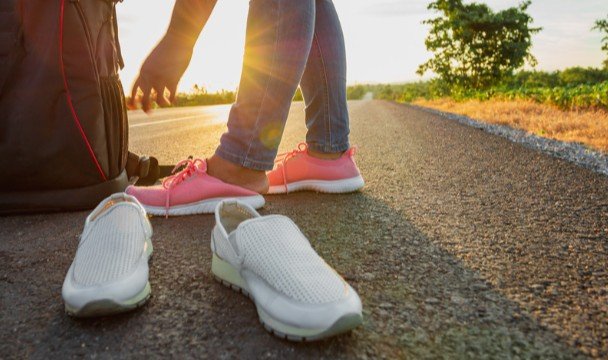
New shoes should feel comfortable from the start. Don’t expect a painful fit to improve enough during vacation.
Begin by wearing them indoors, following the retailer’s return conditions. Walk across different rooms, use stairs, and stand for several minutes.
Once you’re confident about keeping them, take progressively longer walks. Use your planned socks and carry your usual day bag.
Pay attention to rubbing, toe pressure, heel movement, and discomfort that develops over time. Adjust the lacing if appropriate, but reconsider the shoes if problems persist.
Testing helps reveal issues early; it doesn’t guarantee that every shoe will become suitable.
Avoid These Common Buying Mistakes
Don’t buy solely because a friend loves a particular model. Foot shape, preferred cushioning, and walking habits differ.
Avoid automatically sizing up for travel. Choose sufficient toe room while maintaining a secure fit. Don’t overlook socks. Moisture-managing fabrics can improve comfort, while bulky seams or an unsuitable thickness can change how shoes fit.
Finally, inspect shoes you already own. Worn tread, damaged uppers, or noticeably compressed cushioning may make a familiar pair less dependable.
Frequently Asked Questions
1. What matters most when learning how to choose comfortable shoes for travel?
Prioritize fit, then consider cushioning, stability, traction, and materials suited to your itinerary.
2. Can I wear running shoes for sightseeing?
Yes, provided they fit well, feel stable, and suit your walking surfaces.
3. Should I buy travel shoes half a size larger?
Not automatically; compare sizes and widths to find adequate toe room with a secure heel.
4. Are waterproof shoes necessary for every vacation?
No; choose them according to expected weather, terrain, temperature, and your drying options.
Give Your Feet a Better Trip
I’d rather spend time comparing shoes before departure than lose an afternoon searching for replacements. My checklist is simple: comfortable fit, dependable support, suitable grip, and successful practice walks. With those basics covered, I can focus on enjoying the destination.