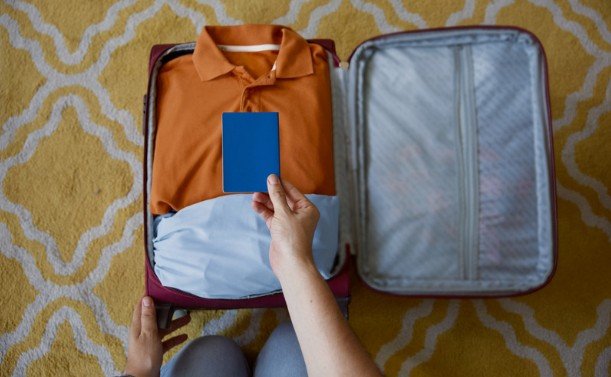

I approach packing for a trip alone with one question: can I comfortably manage everything myself? Without a companion to watch my suitcase or lend a charger, small decisions matter more. Still, being prepared does not require buying every travel gadget online.
The most useful travel essentials for your first solo trip help you stay connected, access money, protect important documents, and move comfortably. Whether you’re taking a weekend in Chicago or flying overseas from Atlanta, this guide will help you pack with purpose.
Start With a Bag You Can Handle Independently
Choose luggage around your route, accommodation, and physical comfort. A rolling suitcase suits smooth airport floors and hotel stays. A backpack may work better when navigating stairs or changing locations frequently.
Check your airline’s actual baggage allowance before packing. A bag marketed as carry-on size may exceed a particular carrier’s limits.
Once packed, lift your luggage, walk with it, and try a flight of stairs if comfortable. Remove unnecessary items if handling it feels difficult. Leave room for purchases and belongings you might otherwise carry separately.
Keep Documents and Money Within Reach

Identification and Booking Details
Bring identification appropriate for your journey. For domestic flights, check current TSA identification requirements. International travel requires checking passport, visa, and entry requirements for your destination.
Save transportation tickets, accommodation confirmations, and your first night’s address offline. Keep a paper copy of important contact information separately from your phone.
Store document copies securely. They can help with replacement procedures, but they do not replace required original identification.
Payment Backups
Carry your main payment card, a backup card if available, and a modest amount of cash. Keep the backup separately so losing one wallet does not remove every payment option.
Check card fees and banking access before departure. Set aside emergency funds for unexpected transportation or an additional overnight stay.
Make Your Phone Useful Without Constant Internet
Your phone may serve as your map, boarding pass, translator, and booking organizer. Bring a reliable charger, compatible cable, and an appropriate power bank.
Check airline battery rules before flying. For international travel, confirm whether you need a plug adapter and whether your devices support the destination’s voltage.
Download maps, reservation details, and entertainment before leaving home. Arrange mobile connectivity where needed, and test access to important accounts.
Write down an emergency contact and your accommodation address. A charged phone helps, but preparation should survive a dead battery.
Pack Clothing Around Activities and Laundry
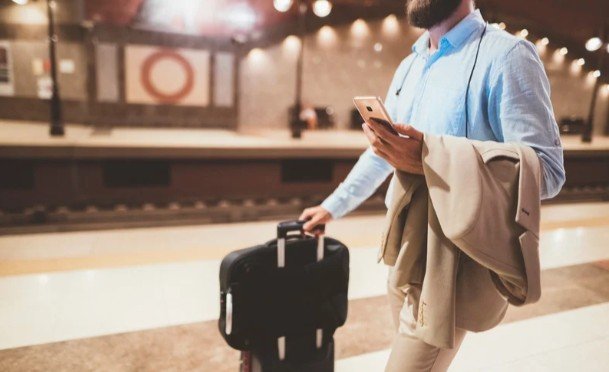
Build a small wardrobe that works together rather than packing separate outfits for every possibility. Choose comfortable pieces suited to the forecast, local expectations, and planned activities.
For a short city break, start with several interchangeable tops, two bottoms, underwear, socks, sleepwear, and a weather-appropriate outer layer. Adjust quantities around laundry access and personal needs.
Wear shoes you have already walked in comfortably. Bring a second pair only when it serves a clear purpose, such as shower sandals for shared accommodation.
Test your outfits together before packing. An attractive item that matches nothing else usually adds unnecessary bulk.
Keep Health and Personal Care Supplies Practical
Bring prescription medication, necessary documentation, and supplies for your usual health routines. Pack these essentials separately from garments to stay organized and help keep clothes wrinkle free while traveling. Check destination rules before taking medication across international borders.
A compact personal care kit might include:
- Toothbrush, toothpaste, and deodorant.
- Sunscreen and relevant insect protection.
- Bandages and blister dressings.
- Menstrual products or contact lens supplies.
- Familiar nonprescription medicine appropriate for you.
Keep essential medication accessible during transit. Review current screening requirements for liquids and medical supplies before departure.
Avoid assuming a destination shop will carry a specific product you depend on. Equally, skip bulky duplicates of ordinary toiletries when a smaller quantity will cover your trip.
Give Your Everyday Bag a Clear Job
A small bag with secure closures should carry what you need between leaving your accommodation and returning.
Keep identification when required, a payment method, phone, charging supplies, necessary medication, water, and a small snack accessible. Add weather protection appropriate to the day.
Choose a bag you can manage comfortably in restaurants, stations, and restrooms. Avoid carrying every valuable possession simply because it fits.
A reusable bottle is convenient where safe drinking water is available. Empty it before security screening when required.
Adjust Your Essentials to Your Accommodation

For a hotel stay, check which toiletries and amenities are provided before adding your own.
For a hostel, confirm whether you need a towel, locker lock, or shower sandals. Earplugs and an eye mask may improve comfort in shared sleeping spaces.
Outdoor trips require a separate assessment of navigation, weather, water, and emergency equipment. A city packing checklist cannot cover a remote hike.
A book, downloaded podcast, or small journal can make solo meals and waiting periods more enjoyable without adding much weight.
Prepare Your Arrival Before Departure
Confirm how you will reach your accommodation, especially after a late arrival. Save the address, check-in instructions, and a backup transportation option.
Share your itinerary with someone you trust and agree on realistic check-ins. Review insurance coverage and assistance details if purchasing a policy.
Leave expensive jewelry, unnecessary electronics, and unfamiliar gadgets at home. Packing cubes are optional organizational tools; use them if helpful without treating extra space as permission to overpack.
Frequently Asked Questions
1. What are the most important travel essentials for your first solo trip?
Prioritize appropriate identification, accessible booking details, payment backups, phone power, necessary medication, comfortable clothing, and manageable luggage.
2. Should I bring special safety accessories?
Choose accessories for specific circumstances, check applicable restrictions, and remember that equipment cannot replace sound planning.
3. How do I avoid overpacking?
Pack for your actual activities, coordinate clothing, confirm available amenities, and remove items without a clear purpose.
Leave With Less, Feel More Prepared
I would rather leave with a manageable bag and clear arrival plans than a suitcase full of possibilities. Before departure, I check my documents, charging supplies, medication, and payment backups once more. Then I make sure everything is comfortable to carry. That final check helps me begin independently, with room to enjoy the experience.