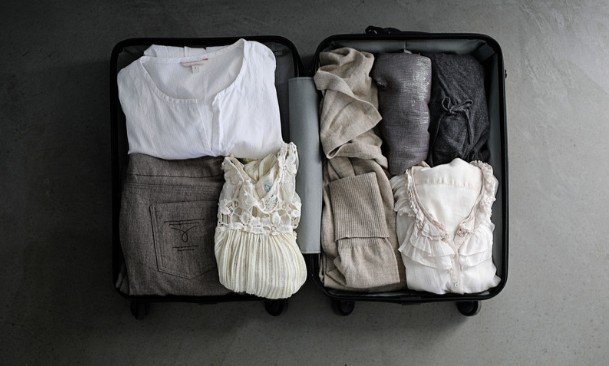
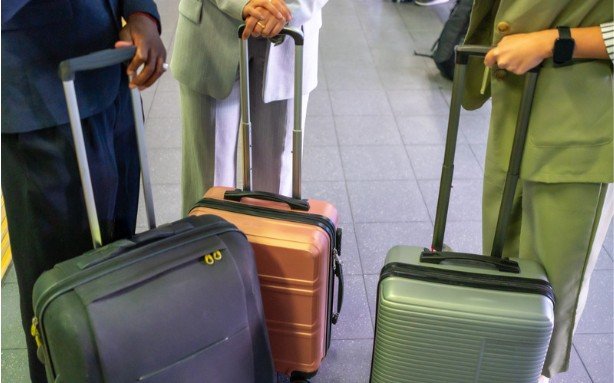
I start choosing luggage by picturing the journey: airport walks, hotel stairs, rental car trunks, and everything I need to carry. A beautiful suitcase loses its appeal quickly when it feels heavy before packing or refuses to fit where it belongs.
If you’re wondering how to choose the right luggage for your trip, begin with your itinerary, airline requirements, packing needs, and lifting comfort. Those four checks help narrow the options before colors, compartments, and tempting extras distract you.
Match Your Bag to the Journey
Think about how often you will move between destinations and who will carry your belongings. The route from your front door to your accommodation matters as much as the destination itself.
Flights and Hotel Stays
A rolling suitcase works well for terminal floors, elevators, and hotel corridors. Business travelers may appreciate accessible laptop storage and a compartment for dress clothes. Families should consider whether each adult can manage their assigned bags while helping children.
Road Trips, Trains, and Outdoor Travel
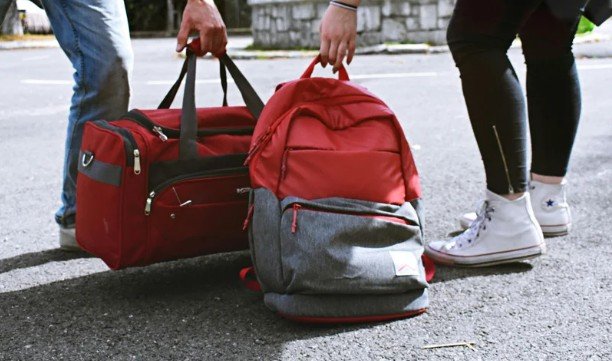
Flexible duffels can fit around other luggage in a rental car trunk. Travel backpacks suit frequent stairs and uneven paths, provided you can comfortably carry the packed weight. For train travel, prioritize manageable dimensions and sturdy lifting handles over maximum capacity.
Choose Size Around Your Packing Habits

Trip length provides a starting point, but clothing bulk, laundry access, shoes, and equipment determine your actual space requirements.
For a weekend, lay out your outfits and essentials before choosing a compact bag. For a week away, consider whether washing clothes midway would let you travel with less. Winter layers and formal events can require additional room even on shorter trips.
Avoid buying an oversized suitcase just for flexibility. Extra room encourages unnecessary packing and can make the filled bag difficult to lift.
Carry-On or Checked Luggage?
A carry-on keeps belongings nearby and can simplify airport departures. A checked suitcase provides room for larger packing lists, but you should factor baggage charges and collection time into the decision. Compare the complete trip cost before choosing either option.
Check Airline Requirements Before Buying
Never assume a suitcase qualifies for every flight because its product listing calls it cabin luggage. Check the operating airline’s current requirements for each segment, including regional connections.
Compare external measurements, including wheels, handles, and protruding pockets. Check weight allowances and whether your fare includes the bag you intend to bring. An expandable section or stuffed outer pocket may change the packed dimensions.
For international connections, use the most restrictive applicable allowance when selecting a bag for the whole journey. Keep essentials accessible in case your cabin suitcase needs to be checked at the gate.
Compare Hard-Shell and Soft-Sided Designs
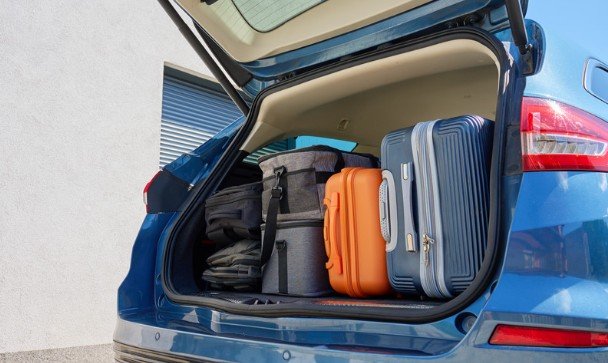
Hard-shell luggage offers a rigid exterior that can help shield contents from compression when packing your road trip essentials for comfortable journey. However, careful internal padding still matters for fragile belongings. Water-resistant shells do not automatically mean waterproof closures.
Soft-sided luggage usually offers more flexibility and accessible exterior pockets. It can be convenient for car travel and quick access to a jacket or travel documents. Overstuffing it can still push the bag beyond permitted dimensions.
Compare individual models rather than assuming one construction always weighs less or lasts longer. Materials, reinforcement, and component quality all affect performance.
Pick Wheels for the Ground You’ll Cross
Four-wheel spinners maneuver easily beside you on smooth airport floors. They are convenient in queues and narrow spaces, although exposed wheels can be vulnerable during handling.
Two-wheel rollers often cope better with curbs and uneven pavement, especially when their wheels are larger and recessed. You must tilt and pull them, so check how the weight feels on your arm.
If your route includes extensive stairs or rough paths, a comfortable backpack may be more practical than either suitcase style.
Inspect Weight, Handles, and Packing Layout
When comparing how to choose the right luggage for your trip, look beyond the empty shell. A bag must remain manageable after you pack it.
Extend the handle, check its locking positions, and walk with the suitcase. Make sure it clears your heels and turns comfortably. Inspect lifting handles, zipper movement, seams, and wheel attachments.
Open the bag fully. A clamshell layout needs space for both halves, which can be inconvenient in small hotel rooms. Check whether dividers and laptop compartments leave enough usable room for clothes. Packing cubes can provide organization without requiring numerous built-in pockets.
Compare Value, Repairs, and Security
Set your budget around travel frequency and useful features. Occasional travelers may need a straightforward, sturdy bag; frequent flyers may benefit from replaceable wheels and accessible repair services.
Read warranty exclusions, including treatment of airline damage, cosmetic wear, and shipping costs. Check return conditions before testing the bag outside.
A compatible inspection lock can be useful, but no luggage lock guarantees theft prevention. Use a discreet identification tag and keep valuables with you. Choose extras only when they solve an actual travel problem.
Frequently Asked Questions
1. What is the first step in how to choose the right luggage for your trip?
Review your itinerary and airline requirements, then estimate your packing needs before comparing suitcase features.
2. Is a hard-shell suitcase always better?
No. The better choice depends on protection needs, access preferences, packing flexibility, and the individual bag’s construction.
3. Can one suitcase work for every vacation?
One versatile bag can cover many journeys, but bulky gear, family packing, or restrictive connections may require another option.
4. Should I test luggage before departure?
Yes. Pack your planned belongings, weigh the bag, measure it, and practice lifting and maneuvering it safely.
Final Thoughts Before You Pack
I would choose the bag that makes the entire journey easier to manage. Before buying, I would check whether my current luggage already meets those needs. If it does, better packing may be enough.
If it doesn’t, I would prioritize suitable dimensions, comfortable handling, reliable components, and useful repair support. That approach keeps my decision practical and leaves more attention for enjoying the trip. Think beyond the airport shopping display.