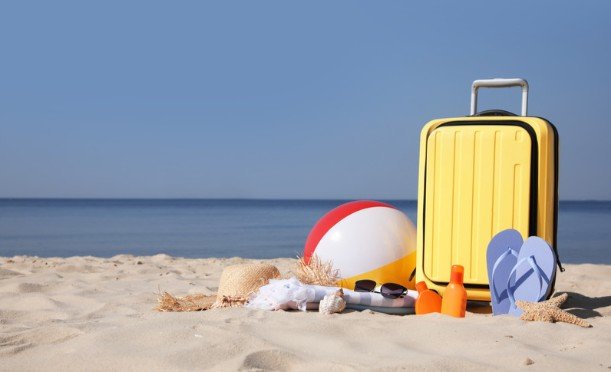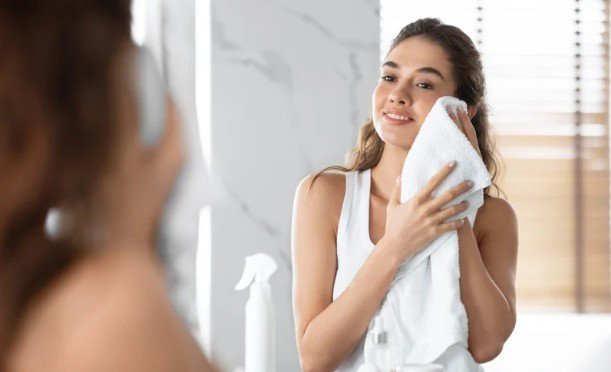

I want vacation memories to involve ocean views and great meals, not a suitcase full of products or an hour spent untangling my hair. When planning how to protect your hair while traveling, I would start with a familiar routine, gentle styling, and protection suited to the destination.
Whether you’re flying from Chicago, road-tripping through Arizona, or spending a week on Florida’s beaches, your hair faces different conditions. Keeping it manageable means preparing for those changes without making your routine complicated.
Why Does Hair Feel Different Away From Home?
Travel changes several things at once: weather, water, washing schedules, and styling habits. Dry conditions can make flyaways more noticeable, while humidity can disrupt your usual style. Wind and friction against headrests can create tangles.
Swimming and prolonged sunshine add separate challenges. As you plan relaxing weekend getaway activities, identify your trip’s main exposures rather than treat every destination the same.
What Should You Do Before Your Trip?
Wash according to your normal scalp needs, condition, and detangle gently before departure. If a familiar hair mask helps your dry lengths, use it as directed. Avoid experimenting with several unfamiliar treatments immediately before leaving.
For a beach vacation, discuss the timing of bleaching or highlights with your stylist. Freshly lightened hair deserves particular care around sunshine and pools.
Plan your wash days around the itinerary. A private bathroom and enough drying time can matter more than another styling product, especially for thick curls or coils.
What Belongs in Your Travel Hair Care Kit?
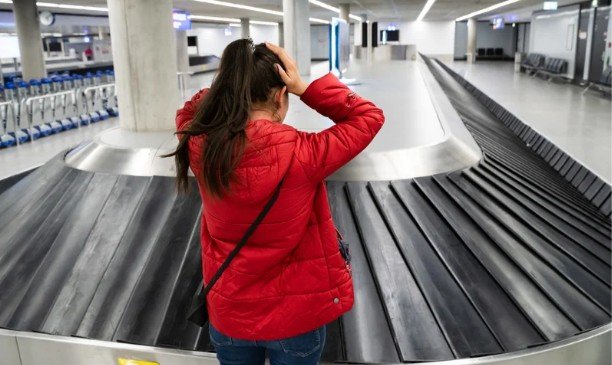
Pack shampoo, conditioner, a leave-in product suited to your texture, a compact comb or detangling brush, soft scrunchies, and a scarf. Add bobby pins, a hat, and a small microfiber towel if useful.
Keep the kit accessible during long journeys. Wrapping spare hair ties around a brush handle saves space, while labeled, securely closed bottles prevent mix-ups.
For carry-on screening, liquid hair products generally need containers holding 3.4 ounces or 100 milliliters or less, fitting inside one quart-sized bag. Check TSA guidance before departure. A half-empty oversized bottle still exceeds the container limit.
How Can You Protect Hair During Flights and Road Trips?
Apply a small amount of familiar leave-in conditioner to dry lengths if needed. Fine hair may need very little; heavier applications can leave it flat.
Choose a loose braid or another comfortable style that keeps ends contained. Avoid placing bulky clips where your head rests. A silk or satin scarf can reduce rubbing against a seat or travel pillow.
On road trips, secure long hair before opening windows. Detangle gently after arriving instead of repeatedly brushing windblown strands during the journey.
How Do You Protect Hair at the Beach or Pool?
Before You Swim
Wet your hair with fresh water before entering. Consider a swim cap, particularly for repeated pool sessions. A suitable leave-in conditioner can provide an additional barrier, subject to pool rules.
Secure longer hair loosely to limit tangling. Avoid pulling braids or buns tight around the hairline.
After You Swim
Rinse promptly instead of letting pool water or salt dry into your hair. After pool swimming, use an appropriate cleansing product and follow with conditioner.
Gently squeeze out water with a towel. Avoid rubbing vigorously or forcing a brush through knots.
How Should You Handle Sun and Changing Weather?
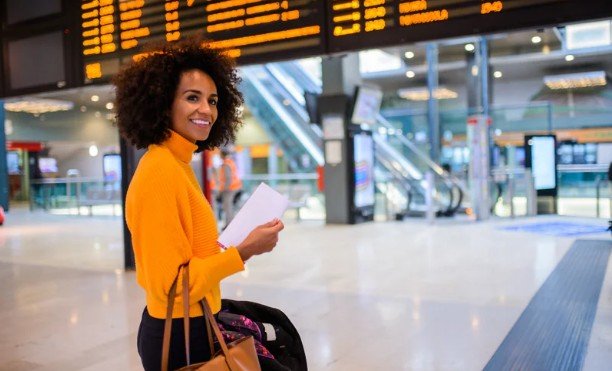
Wear a wide-brimmed hat for extended sightseeing, beach walks, and outdoor activities. A scarf provides coverage, but protection depends on its fabric and coverage. Seek shade when practical.
Protect exposed scalp with an appropriate sunscreen; ordinary hair oil does not replace sunscreen. A product intended for hair fibers should not automatically be treated as scalp sun protection.
Understanding how to protect your hair while traveling also means adjusting styling expectations. In Miami humidity, choose manageable waves, twists, or loose updos. In dry desert conditions, focus conditioning on thirsty lengths.
If unfamiliar water leaves hair feeling coated, avoid immediately adding layers of oil. Assess your cleansing routine and consider a suitable clarifying product when needed.
Should You Wash Less or Skip Heat Styling?
Wash when your scalp needs it. Sweaty hikes, oily roots, and swimming can change your schedule; there is no universal vacation washing rule.
Dry shampoo can temporarily absorb oil, but it does not replace washing. Use it according to its label rather than layering it throughout the trip.
Reduce heat styling where possible. If using hot tools, apply heat protectant and choose a lower effective setting. For international trips, check the tool’s voltage compatibility: a plug adapter alone does not convert voltage.
What Changes for Different Hair Types?
Fine hair often benefits from lightweight formulas applied sparingly. Curly and coily hair may need richer conditioning, gentle detangling, and a satin bonnet or scarf overnight.
For color-treated hair, bring familiar color-care products and prioritize sun and swimming protection. Protective styles still require scalp care and comfortable tension. If a style causes pain, loosen it rather than accepting discomfort as the price of keeping your hair neat throughout the whole vacation.
Frequently Asked Questions
1. What is the easiest approach to how to protect your hair while traveling?
Keep your familiar essentials, wear a comfortable low-tension style, cover up outdoors, and rinse after swimming. Adapt washing and conditioning to your scalp and activities.
2. Can I rely on hotel shampoo and conditioner?
You can, but they may not suit your texture or scalp. Bring familiar products if your hair needs specific care.
3. What should I do with tangled hair after a trip?
Work gently from the ends upward with suitable conditioner and a comb. Avoid yanking through knots or adding repeated heat.
Bring Home Memories, Not a Complicated Routine
I would keep travel hair care simple: pack what already works, prepare for the weather, and make room for washing after swimming. A few thoughtful choices can keep grooming from taking over the itinerary. My priority would be comfortable, manageable hair that lets me enjoy the trip.