
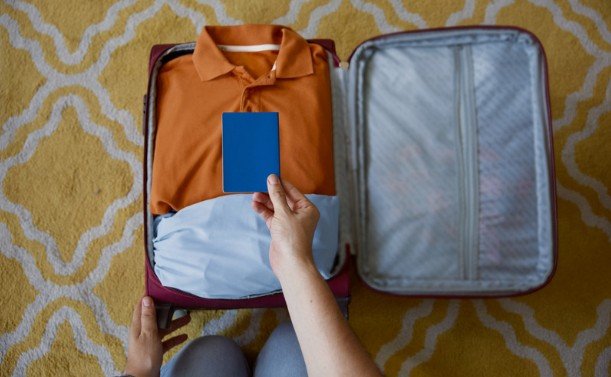
I want my underseat bag to make airport days easier, with everything important within reach. When deciding what to keep in your personal item bag, I start with the things that would be hardest to replace during a delay: identification, medication, my phone, and payment cards. Comfort items come next. This approach keeps a small backpack useful without turning it into an overflowing second suitcase.
Your personal item should cover immediate needs during the flight and provide a small backup if your larger luggage becomes unavailable. Here is how to build that kit without overpacking.
Start With the Right Underseat Bag
A personal item is usually a small backpack, purse, tote, or laptop bag that fits beneath the seat ahead. Your larger carry-on generally goes overhead.
Check your operating airline’s dimensions and baggage allowance before packing. There is no universal personal-item size. Measure the filled bag, including bulging pockets, rather than trusting its product label.
Choose a zippered opening, comfortable straps, and a few useful compartments. A padded sleeve helps protect electronics, while a luggage sleeve makes airport walks easier. Leave enough room to close the bag comfortably. Test whether you can lift and carry it easily before heading out to the airport.
Pack These 15 Personal Item Essentials
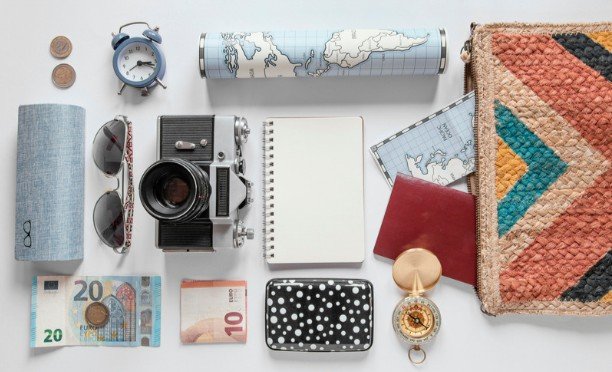
1. Identification and Travel Documents
Keep your accepted identification, boarding pass, and any required passport or entry documents together. Save reservation details offline and carry a paper backup of important information. Store documents in a secure pocket you can access easily.
2. Wallet and Payment Backup
Bring your payment cards and a modest amount of emergency cash. Consider keeping a backup card separately from your main wallet. Remove unnecessary cards and receipts before leaving home to reduce clutter.
3. Necessary Medication
Keep required medication accessible throughout your journey, with enough for foreseeable delays. Retain labels and documentation when needed, particularly for international trips. Check destination requirements rather than assuming every medication can travel freely across borders.
4. Phone and Charging Cable
Charge your phone before departure and pack the correct cable. Download your airline app, accommodation details, and useful maps ahead of time. A wall charger helps during connections when airport charging stations are occupied.
5. Suitable Power Bank
Keep power banks and spare lithium batteries in cabin baggage, with protection against damage and short circuits. Remove them before any bag is gate-checked. Check your airline’s capacity, quantity, and onboard-use restrictions before departure.
6. Headphones or Earbuds
Pack headphones where you can retrieve them without disturbing neighboring passengers. Wired headphones can be useful for compatible seatback entertainment systems. Download music, podcasts, or movies beforehand so your entertainment does not depend on paid Wi-Fi.
7. Empty Reusable Water Bottle
Take an empty bottle through security and refill it afterward. Choose a leak-resistant design that fits your bag. As you choose right luggage for your trip, look for an accessible bottle pocket. Avoid filling every pocket so tightly that removing your bottle requires unloading everything else.
8. Familiar Snacks
Bring compact, low-mess snacks such as crackers, granola bars, or dried fruit. Consider allergies and avoid strong odors. International travelers should check arrival restrictions before carrying leftover food through customs.
9. Lightweight Warm Layer
A thin cardigan, sweatshirt, or wrap can make a chilly cabin more comfortable. Choose something you can also wear at your destination. Wear bulky outerwear instead of using bag space to pack it.
10. Compact Hygiene Kit
Pack tissues, wipes, a toothbrush, and small toiletries you will actually use. Ordinary liquids, gels, and creams must follow the checkpoint’s container and bag limits. Medically necessary liquids have separate screening provisions.
11. Lip Balm and Moisturizer
A small lip balm and familiar moisturizer can help with dry-feeling skin. Skip a full skincare collection for the flight. Secure caps carefully and separate products that could leak from electronics and documents.
12. Glasses and Vision Supplies
Keep prescription glasses in a protective case. If you wear contacts, bring the supplies you need and backup glasses when available. Avoid leaving essential vision items in checked luggage.
13. Small Clothing Backup
A lightweight shirt, underwear, and socks provide a practical reserve after spills or luggage delays. Fold them into one compact pouch. Pack for a temporary inconvenience rather than adding several complete outfits.
14. Sleep Accessories
For overnight flights, consider an eye mask and earplugs. Add a travel pillow only if it earns its space. On a short daytime flight, these extras may be unnecessary.
15. One Entertainment Device
A phone, tablet, or e-reader may cover your needs. Bring a laptop when your trip requires it, rather than automatically packing every device. Protect screens and keep heavier electronics close to your back.
Organize for Access, Security, and Delays
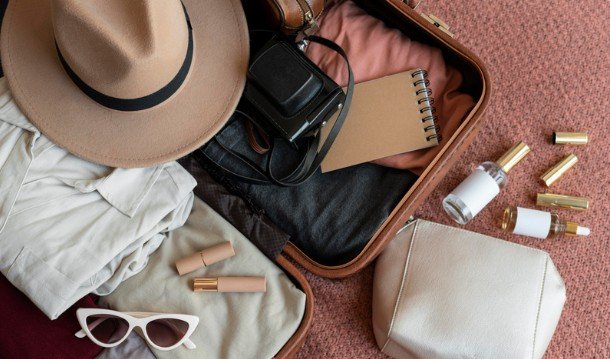
Knowing what to keep in your personal item bag matters most when you can find everything quickly. Use separate pouches for charging accessories, toiletries, and spare clothing. Keep documents secure and frequently used items near the opening.
Before boarding, prepare a small pouch containing your headphones, tissues, and other immediate necessities. If your roller bag must be checked at the gate, transfer essential medication, valuables, and restricted batteries into cabin baggage first.
This checklist assumes you also have other luggage. Personal-item-only travel requires additional clothing and destination planning.
Frequently Asked Questions
1. How do I decide what to keep in your personal item bag?
Prioritize documents, necessary medication, valuables, charging supplies, and items you need during the flight.
2. Can a backpack count as a personal item?
Yes, if it meets your airline’s allowance and fits beneath the seat as required.
3. Can I bring a purse and a personal item?
Check your allowance; you may need to fit the purse inside your permitted bag.
Final Packing Check
I would finish by checking my documents, medication, phone, and wallet, then closing the bag and testing its weight. A little empty space makes essentials easier to reach and leaves room for last-minute necessities.