
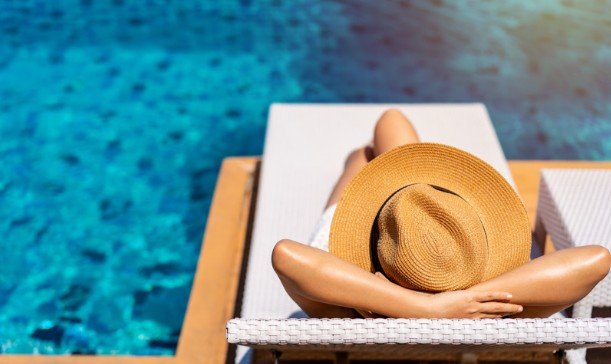
When I picture a weekend away, I want slow mornings, comfortable surroundings, and enough freedom to enjoy wherever I land. I do not want a packed schedule that leaves Monday feeling harder. My approach to how to plan a relaxing weekend getaway starts with protecting time for rest before adding activities.
A refreshing escape can be simple: choose somewhere easy to reach, set a comfortable spending limit, book a peaceful place, and leave breathing room between plans. Whether you prefer a lakeside cabin, a coastal inn, or a walkable small town, two nights can offer a welcome change of pace.
Decide What Relaxation Means to You
Before browsing hotels, identify what you need from the weekend. Quiet time outdoors calls for different choices than leisurely restaurant meals or uninterrupted sleep.
Choose one priority, such as reading beside a lake or enjoying time together without household chores. Let that priority guide your destination and accommodation.
If traveling with someone else, discuss expectations early. Agree on spending, morning routines, and how much sightseeing sounds enjoyable. Leave room for separate activities when your preferences differ.
Choose a Destination With an Easy Journey

For a two-night break, nearby destinations often make planning easier. Consider starting with places within a two-hour drive, then adjust for your energy and available time.
Compare the entire journey rather than mileage alone. Friday traffic, parking, airport security, and transfers can consume hours that looked available on paper.
A lake town, state park cabin, historic district, or beach community can work well. Check seasonal business hours and local events before booking. A peaceful town may feel very different during a major festival.
Compare Driving and Flying Realistically
Driving can simplify a nearby escape, especially when parking is easy. Flying may work when nonstop service and convenient airport access keep the trip manageable.
Choose whichever option leaves you with more usable downtime.
Set a Budget That Includes the Extras
When deciding how to plan a relaxing weekend getaway, account for the full cost before committing to a room rate. Include baggage fees, and consider which essentials to keep in your personal item bag to avoid unnecessary luggage costs.
Include transportation, lodging, taxes, parking, food, activities, and an allowance for surprises. Check resort charges and vacation rental cleaning fees before comparing properties.
For illustration, a couple might allocate $360 for two nights, $160 for meals, $70 for transportation, $40 for activities, and $70 as a buffer. That totals $700; actual costs depend on the destination and dates.
Spend where convenience matters most, such as a comfortable room near your main activity. Balance that choice with picnic lunches, free waterfront walks, or accommodation with breakfast included.
Book Accommodation That Supports Rest
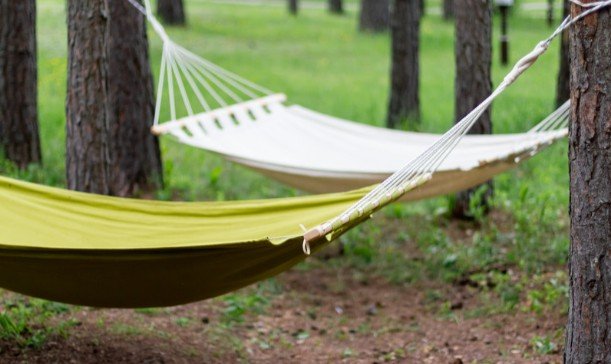
Look beyond attractive photos. Read recent reviews for comments about noise, mattresses, cleanliness, and temperature control.
Confirm practical details before paying: cancellation deadlines, check-in hours, parking arrangements, and whether advertised amenities are available during your stay.
A quiet inn near restaurants may offer more relaxation than a remote rental requiring repeated drives. Conversely, a cabin can be ideal when staying put is the main attraction.
Check accessibility needs directly with the property, including stairs, walking distances, and bathroom features. Request a quieter room when possible, while recognizing that requests are not guarantees.
Create a Flexible Friday-to-Sunday Itinerary
Book the experiences that genuinely need reservations. Keep ordinary walks, coffee stops, and casual browsing flexible.
Friday: Arrive and Settle In
Allow time for traffic and check-in. Choose an easy dinner near your accommodation rather than a timed activity across town. Unpack essentials, take a short stroll if you feel like it, and get to bed without pressure to maximize the evening.
Saturday: Enjoy One Main Experience
Start with an unhurried breakfast. Plan one activity you will look forward to, such as a garden visit, gentle hike, museum, or spa appointment.
Keep the afternoon open for reading, resting, or exploring nearby. Reserve dinner only if a particular restaurant matters to you.
Sunday: Make Returning Home Easy
Enjoy breakfast and one optional stop before leaving. Work backward from your preferred arrival time, allowing for checkout, traffic, and breaks. An earlier return can leave room for groceries, unpacking, and a quiet evening.
Prepare Lightly and Keep a Backup Plan

Pack versatile outfits, comfortable shoes, a weather-appropriate layer, toiletries, medications, identification, and chargers. Add whatever supports your chosen activity without filling the bag with unnecessary options.
Check the forecast before departure. Save one indoor alternative, such as a bookstore or museum, so rain does not require rebuilding the weekend.
Download directions if reception may be unreliable. Share basic travel details with someone you trust when heading somewhere remote.
Finish essential household tasks before leaving. Arrange pet care, handle perishables, and prepare anything needed for Monday.
Set Gentle Boundaries Around Your Phone
Keep navigation and important contacts available while limiting distractions. Silence work notifications when your responsibilities allow, and agree on any necessary check-in times beforehand.
Choose moments to put the phone away, perhaps during breakfast or a sunset walk. The aim is simply to give your surroundings and companions more attention.
Frequently Asked Questions
1. What is the first step in how to plan a relaxing weekend getaway?
Decide what would help you unwind, then choose a nearby destination and accommodation that support that priority.
2. How many activities should I schedule?
Start with one main activity on your full day and keep additional stops optional.
3. How early should I book?
Book once your dates are firm, especially when holidays, limited accommodation, or special events affect availability.
Bring the Calm Home
I want a weekend away to feel spacious, even when it lasts only two nights. Choosing manageable travel, comfortable lodging, and fewer commitments helps me enjoy the time available.
I would rather return with one lovely memory and energy to spare than a completed sightseeing checklist. Leave yourself permission to slow down throughout the weekend. For me, that freedom is what turns a short escape into a restorative break.